
Author: Dina Padalkina
-

Circular News Digest: July 2026
Published by Want to get more news about circular economy? What’s moving the circular economy in Berlin this month? We’ve curated the latest policy updates, local Berlin initiatives, and Circular Economy innovations across packaging, construction, electronics and textile. Launching the Circular Economy Hub Berlin The newly launched Circular Economy Hub Berlin provides a free, open-access digital…
-
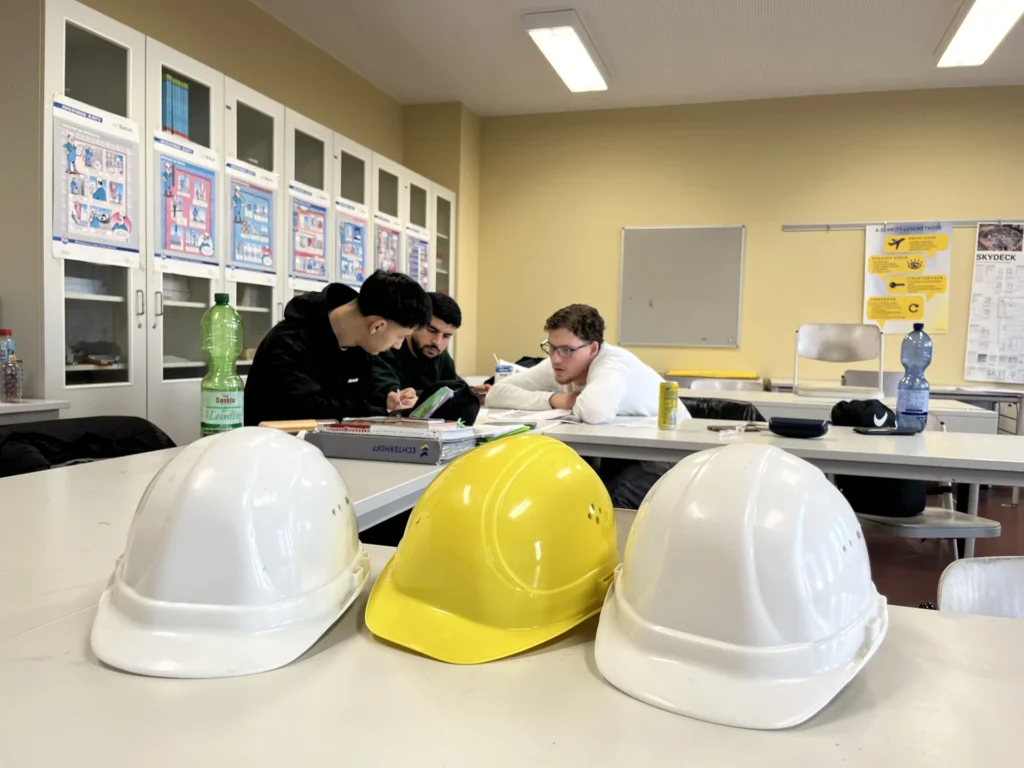
Circular Construction Site: How Berlin’s Young Professionals Are Learning to Rethink Resources
What do a freshly baked croissant and a reinforced concrete wall have in common? At first glance, very little. But both are products of resource-intensive systems that have long been optimised for efficiency rather than circularity. After exploring circular food systems at the Emil Fischer Vocational School (first post), we expanded Fit for Circular Economy (FFCE) to…
-

Position Paper on the EU Circular Economy Act (CEA)
Published by Circular Berlin, Circular Black Forest and the Steinbeis Consulting Center Circular Economy welcome the European Commission’s initiative to accelerate the transition towards a circular economy through the proposed Circular Economy Act (CEA). A framework for systemic circular transformation The draft Act marks an important step towards a more circular Europe. To achieve real impact, it needs to…
-
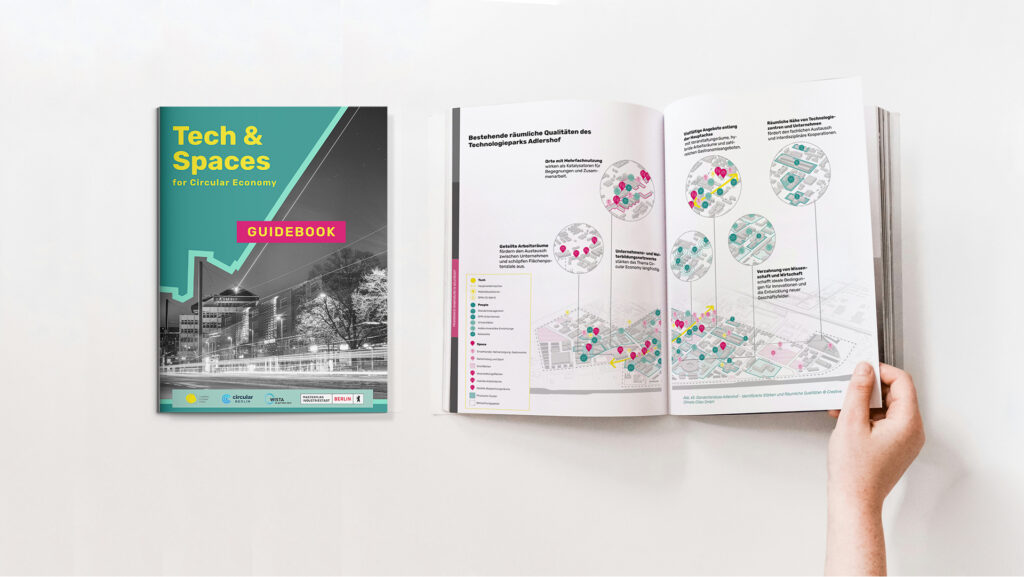
Connecting Technology and Space for a Circular Economy
Published by How can industrial areas become drivers of a circular and resilient city?The new Guide Book “Tech & Spaces for Circular Economy” explores this question by linking technological innovation with spatial transformation and shows how collaboration between sectors can turn urban industrial sites into future-proof ecosystems. Developed by Circular Berlin and Creative Climate Cities in collaboration with WISTA Management GmbH, the…
-
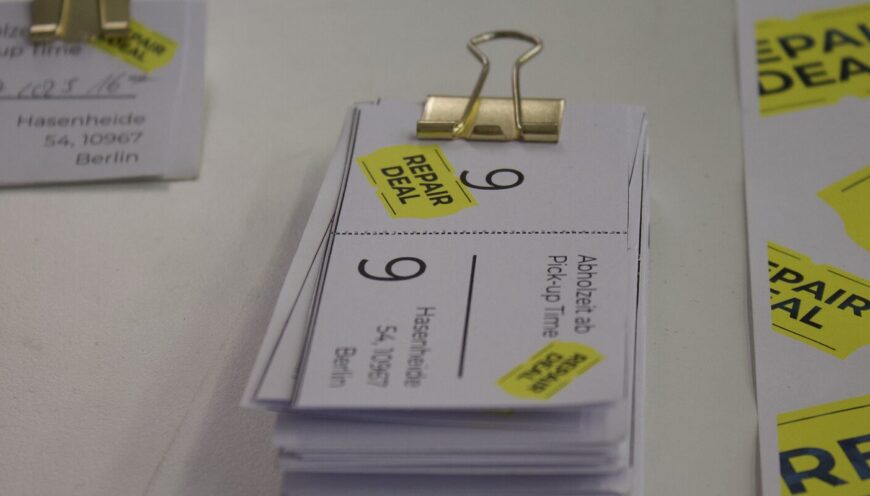
Kickstarting Repair Culture in Berlin: The First Repair Deal Pop-Up Week
The Repair Deal Pop-Up Week proved that Berliners are eager to engage in hands-on, creative, and community-based sustainability initiatives. With a diverse program, strong partnerships, and valuable learnings, the event laid a solid foundation for future repair-centered activities. In July 2025, we as Circular Berlin, hosted the first-ever Repair Deal Pop-Up Week in Berlin-Kreuzberg. This…
-
Driving Circular Economy: Circular Berlin’s 2024 Innovations
As 2024 draws to a close, we at Circular Berlin reflect on a year marked by significant achievements, collaborative endeavors, and a steadfast commitment to advancing the circular economy in our city. Building upon the foundations laid in previous years, we’ve expanded our initiatives, engaged with diverse communities, and fostered innovation across various sectors. Building…
-
Circular Berlin’s 2023 in a nutshell
As we bid farewell to yet another impactful year, it’s time to take stock of the incredible strides we’ve made at Circular Berlin. The past twelve months have been transformative, filled with challenges, successes, and an unwavering commitment to our mission of circularity. Let’s journey through the highlights of our endeavors and contributions in 2023:…
-
White paper: Interactive design tool for multidisciplinary planning with re-use building components
Written by The construction industry faces the enormous challenge of significantly reducing negative environmental impacts on climate and resource consumption and, in addition to technical feasibility, also developing incentives for this necessary change. The increasing scarcity of resources calls for new and simple solutions to remove used resources from buildings with low CO2 emissions and…
-
Circular Berlin’s 2022 in a nutshell
Circular Berlin celebrates 4 years of active involvement in the circular economy development in Berlin. Let us take a look at the main highlights and learnings in 2022, and celebrate it jointly, as without your support it would be difficult. Building a stronger community Our community of members continues to evolve as we keep on…
-
Circular City Challenge: the winners have been announced.
Within the framework of the Circular City Challenge, answers were found to the challenges of the transformation to a circular urban system. BERLIN, May 19, 2022 – Circular City Challenge 2022 With the Circular City Challenge, Circular Berlin, Circular Munich, Materialkreislauf und Circonnact set themselves the aim of helping to shape the transition from a…
-
Neue Vorschläge für die Kreislaufwirtschaft – EU will nachhaltige Produkte zur Norm machen.
Die Europäische Kommission veröffentlichte Anfang 2020 einen „Neuen Aktionsplan für die Kreislaufwirtschaft“, ein zentraler Baustein des European Green Deal. Mit Maßnahmen und Regelungen die sich über den gesamten Lebenszyklus von Produkten erstrecken – vom Design über die Herstellung bis zum Verbrauch – soll der Übergang zu einer Kreislaufwirtschaft beschleunigt werden. Eine nachhaltigere Produktpolitik soll gewährleisten,…
-
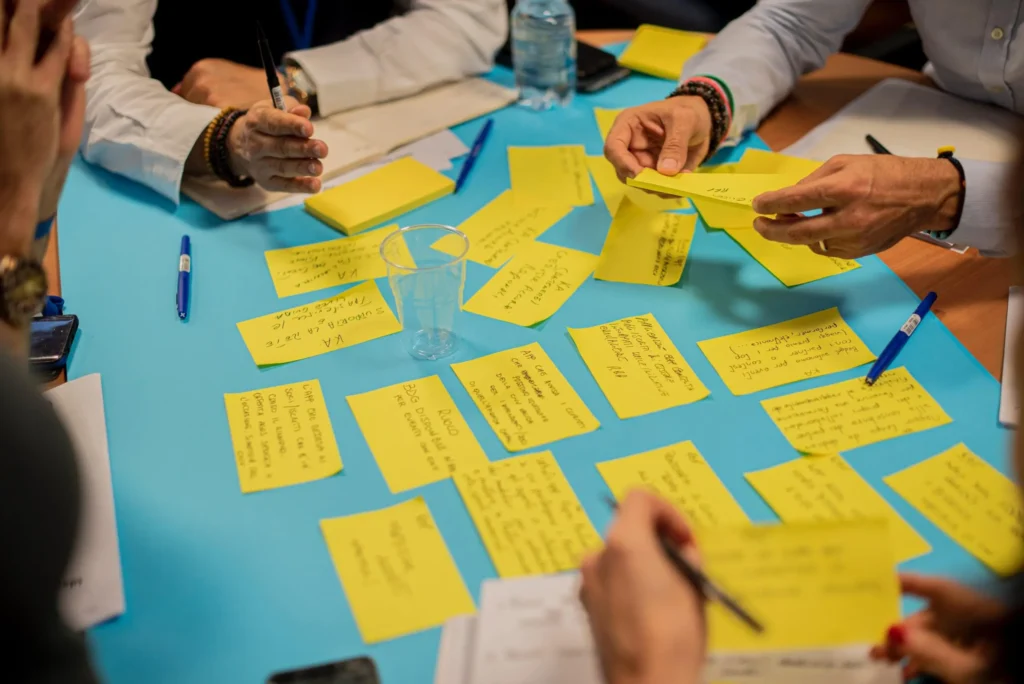
Multi-Stakeholder Workshop on collaborative take-back systems for textiles
In light of the incoming sustainability and circularity major legislations at national and European level, the German fashion industry needs to create new crucial partnerships with the textile reversible supply chain. Initiated by the German “Partnership for Sustainable Textiles” and in collaboration with the circularity agency “Closed Loop Fashion”, in a 4 days multi-stakeholder workshop…
-
Circular Berlin’s 2021 in a nutshell
Another year has passed, and Circular Berlin now celebrates 3 years of active involvement in circular economy development in Berlin. It was an exciting and productive year for us and our community. Let us look together at what the main highlights and learnings of 2021 were for Circular Berlin. Building a stronger community Collaboration is…
-
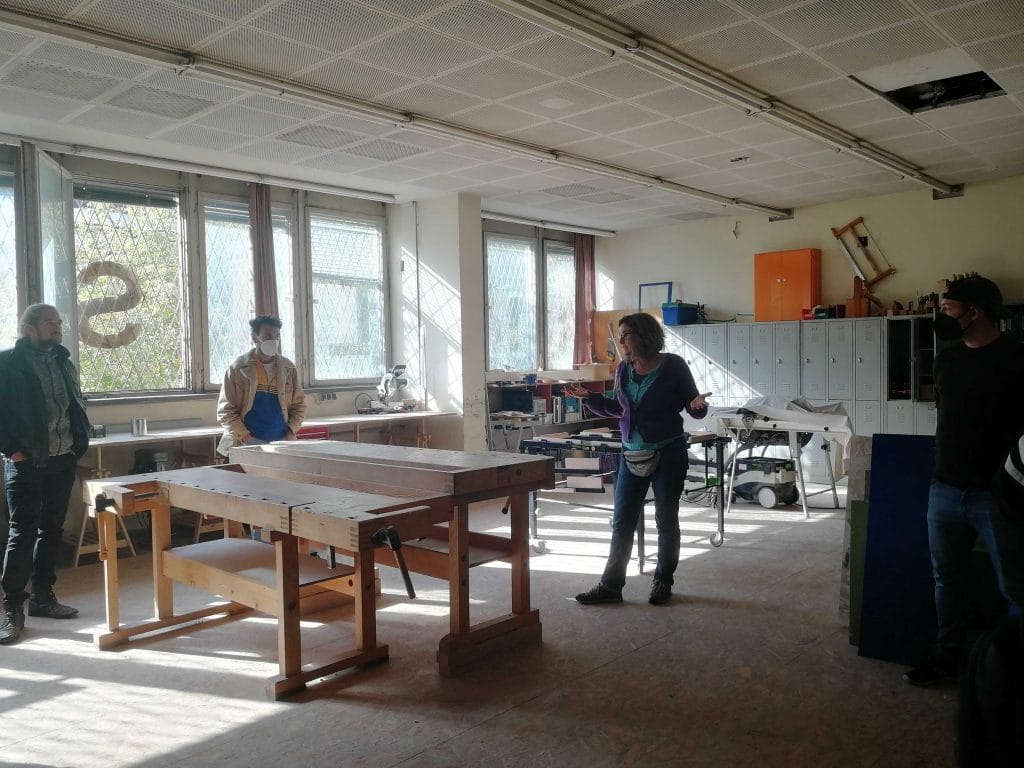
The circular approaches to work with aluminium composite panels.
On 07-08.10, as part of the Haus der Materialisierung project, Material Mafia, together with Circular Berlin and TU Berlin, organised the second seminar and the workshop on the topic: Aluminium Dibond. An aluminium Dibond is a sandwich panel. It is known as a brand for a rigid composite material that belongs to the manufacturer 3A Composites, Singen. In our…
-

Sekundärrohstoffe im Lebensmittelbereich als Essenz für die urbane Circular Economy.
Städte spielen eine zentrale Rolle in der globalen Wirtschaft und sind Impulsgeber für ein kreatives und innovatives Wachstum. Gleichwohl unterliegen sie aufgrund ihrer Größe einer gewissen Komplexität und verbrauchen immense Ressourcen, was sich zum Beispiel auch in der Lebensmittelherstellung und -versorgung niederschlägt. Eine isolierte Ansicht ist dabei nicht möglich, denn Themen wie Haltbarkeit, Gesundheit, Logistik,…
-
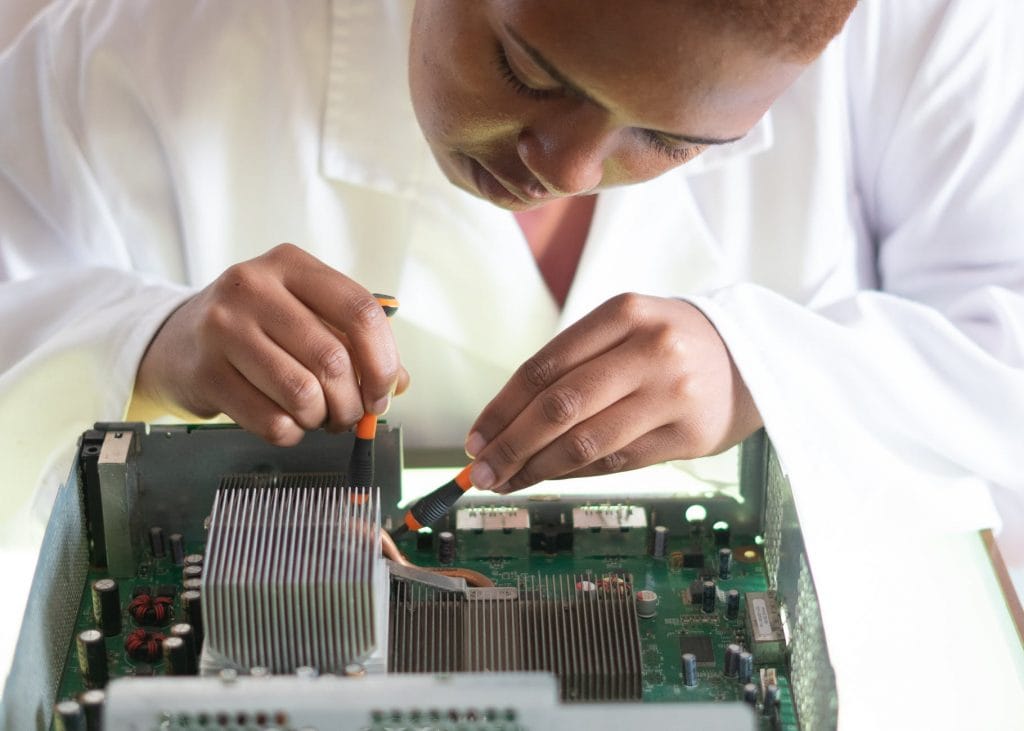
A circular electronics sector in Berlin: how to leverage the city’s potential?
With continuous digitalisation, increasing affordability of products and rapid urbanisation, cities produce enormous amounts of electronic waste. Read more about framing the electronics sector here. BSR’s recycling centers separately collect a total of around 4 kg per person per year of old electrical equipment (Source). Berlin looks at the diverse options of the collection of…
-
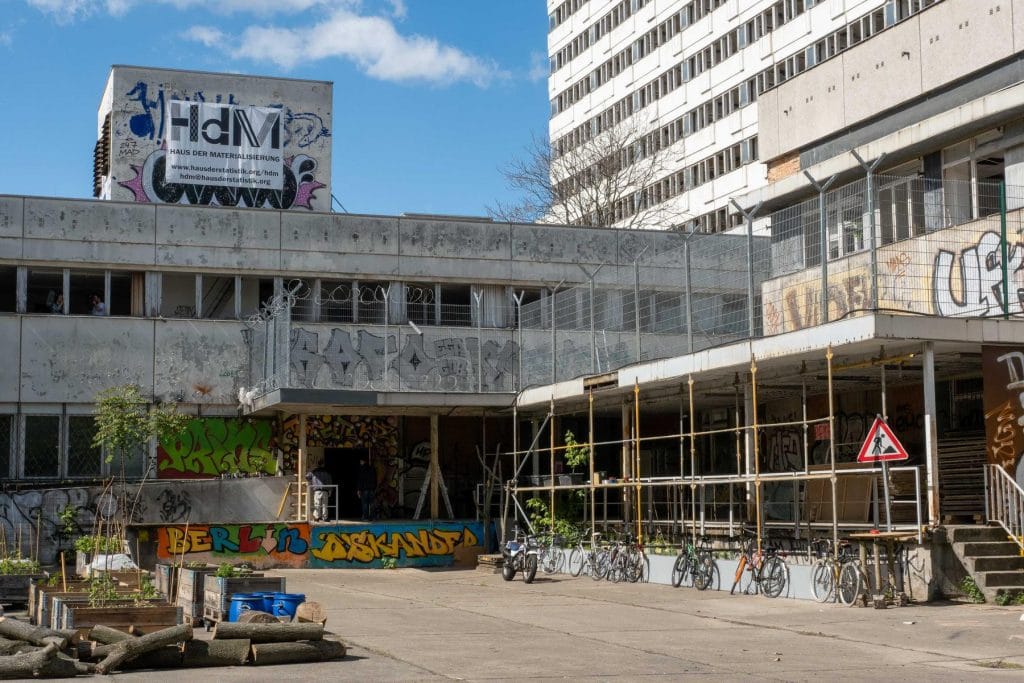
Why should we care about Printing Blankets?
On 03-04.06, as part of the Haus der Materialisierung project, Material Mafia, together with Circular Berlin and TU Berlin, organised the first seminar and the workshop on the topic of Printing Blankets You would ask: Printing Blankets? The rubber printing blanket is used in the process of offset printing. It is stretched around a printing…
-

Defining the Electronics Sector: A first step to increasing the circularity of this sector.
The consensus is clear: electronics are one of the fastest growing waste streams in the world in terms of volume and environmental impact. For us, Circular Berlin, it was essential to start diving into this sector seeing the urgency it has for more circularity. With the help of five students from Utrecht University, we took…
-
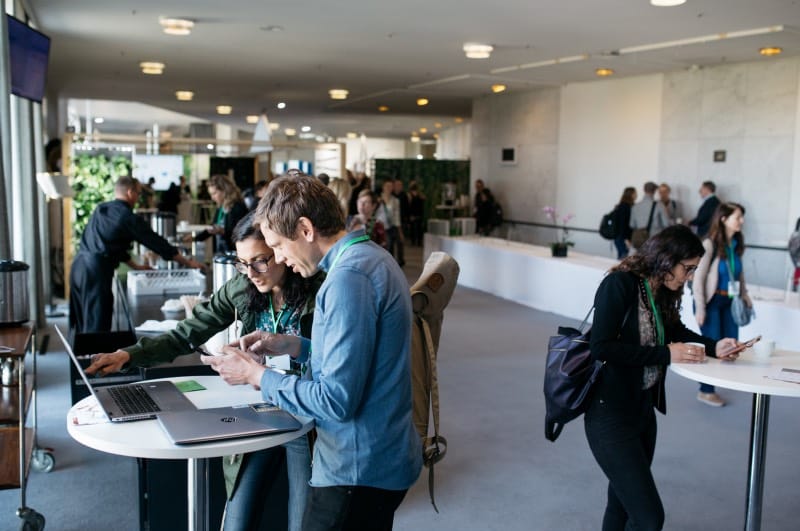
Circular Hubs across Europe – what you missed.
On 28.04 Circular Berlin hosted the event Circular Hubs across Europe. We discussed the need and roles for such regional hubs in the transformation to the circular economy. We had the pleasure of speaking with: Cynthia Reynolds, Founder of Circular Oslo & Circular Regions; Laurène Descamps, Program Coordinator at Circular Economy Transition and Impact HUB…
-

Striving for Impact within a circular economy.
In our community of changemakers, such words as: “mission”, “impact”, “change”, and “transformation” are used quite often. Every new social and environmental organization has set up big and ambitious goals to change the current system towards becoming more sustainable, inclusive, fair and social. Within Circular Berlin, we believe that the circular economy is only one…
-
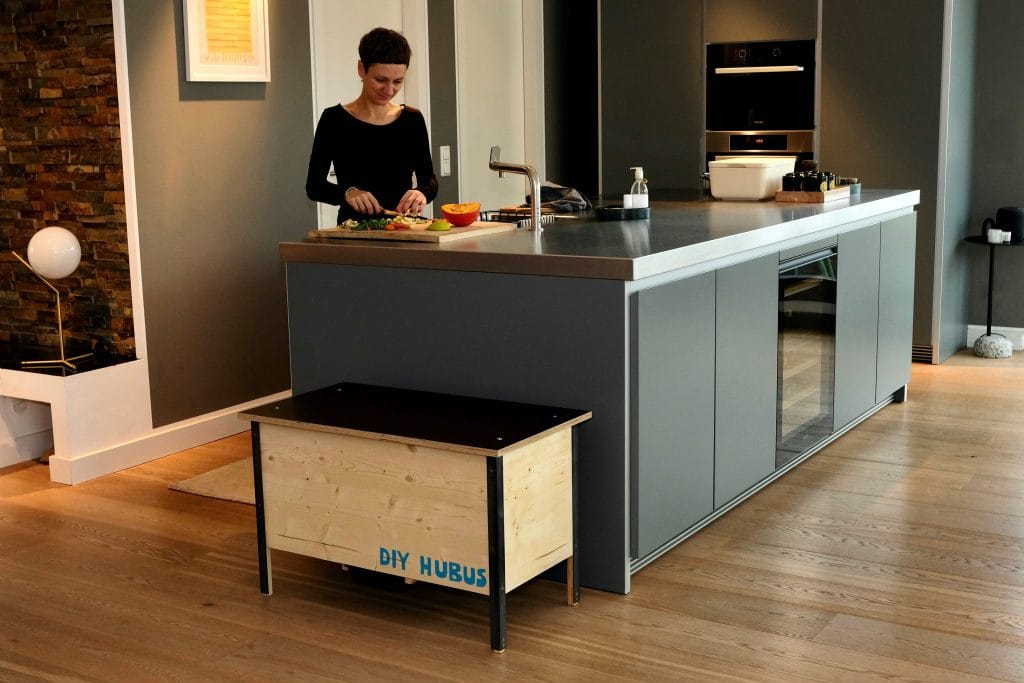
Kompostieren in der Stadt, kein Problem!
In Berlin mit über 3,7 Millionen Menschen gehen pro Jahr und Einwohner*in 85-89 kg Bioabfall verloren (Selbstkalkulation: Abfallbilanz 2017, Stand vor der Einführung der Bioabfall-Sammlung als Pflichttonne). Damit wird der natürliche Stoffkreislauf unterbrochen. Eigentlich könnte aus dem Abfall fruchtbarer Wurmhumus werden. Durch Kompostierung. Und das geht auch in der Stadt. Kompostwürmer sind eine heimische Art…
-
Circular Berlin’s 2020 in a nutshell
What a year! 2020 was extraordinary, different, challenging, life-changing, flexible, and other adjectives you can find to describe the whole situation. For us, in Circular Berlin, it was not an exception. We had to find our way to work differently, to adjust to the situation, and to keep on with motivation. Like everyone, at the…
-
CE strategies in construction projects: learnings from new construction and building redesigns
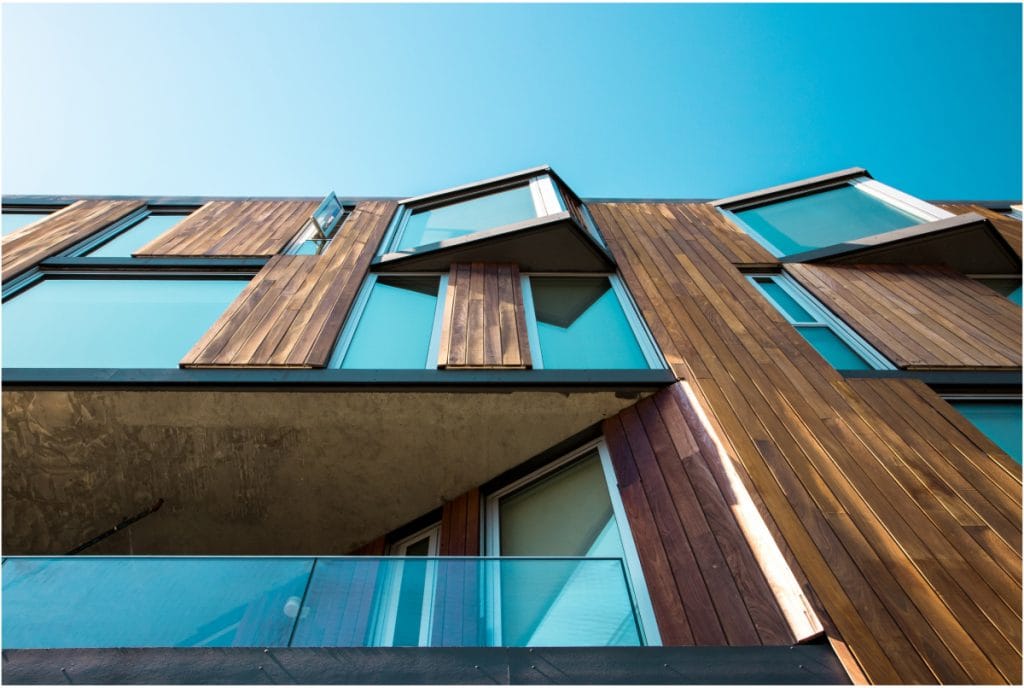
Shifting from business as usual towards circular economy principles in the construction sector is a long path. To do this: However, most importantly, the mindset of the construction sector’s actors has to shift, to stand behind that change. Over this year, we ran online workshops with a diverse group of stakeholders, to create new ways…
-
Circular Jobs: a building block in transitioning to a circular economy
The Circular Economy is the solution to address environmental crises through efficient and sufficient resources use. This new way of thinking about future circular systems goes beyond the environmental issues we have to tackle, bringing in debates about how to finance a new system, and what skills we need in order to create a new…
-
The steps to realise circularity in construction projects
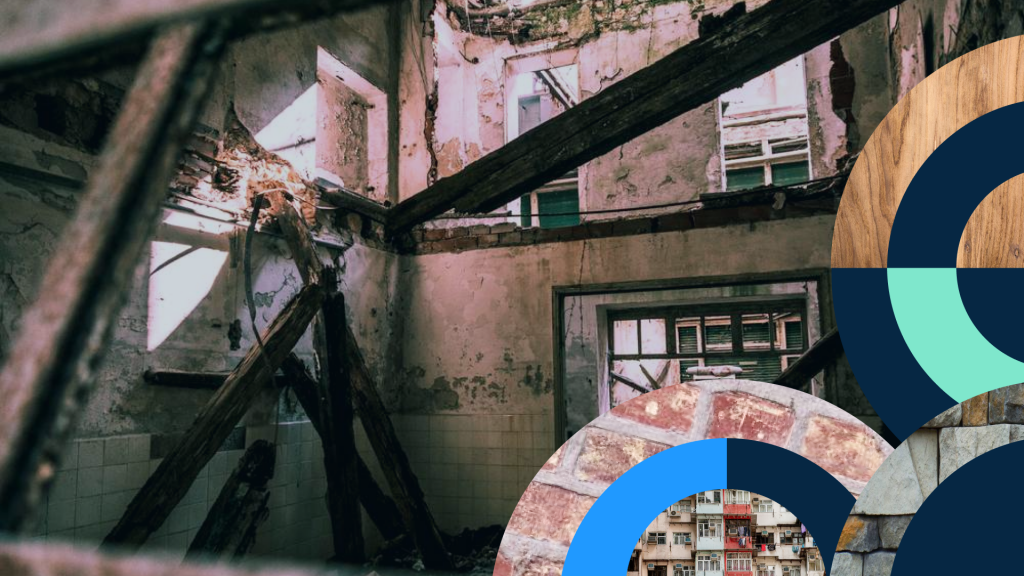
In 2020 Circular Berlin is part of the project City Loops, with such partners as Provadis Hochschule (Germany), Wuppertal Institute (Germany), CleanTech Bulgaria (Bulgaria), Edinburgh Centre for Carbon Innovation (United Kingdom). The core of the project is to bring circular economy thinking for the practitioners using advanced circular economy tools such as circularity compass, structural waste…
-

Report: Investigating the potential of Centers for Urban Remanufacture
Written by CURE, Centres for Urban Remanufacture, is an international research project aimed to promote material recovery through re-manufacture in different cities. The CURE Pathfinder project explored the possibility of establishing Centres for Urban Re-manufacture (CUREs) in different cities, estimated the potential benefit these centres may generate in Berlin and Gothenburg and tried to engage…
-
restado.de fördert die Wiedernutzung von Baustoffen mit einem digitalen Marktplatz
Circular Berlin bereitet die Serie von Interviews in englischer und deutscher Sprache mit den Praktikern des Themas Circular Economy im Bausektor vor, um mit ihnen die Erkenntnisse der Circular Economy zu erkunden. restado schafft einen Markt für übrige und wiedergewonnene Baustoffe. Das Green Impact Startup gehört zu den Top 100 Global ConTech Startups und wurde…
-
Breaking it down: plastic packaging
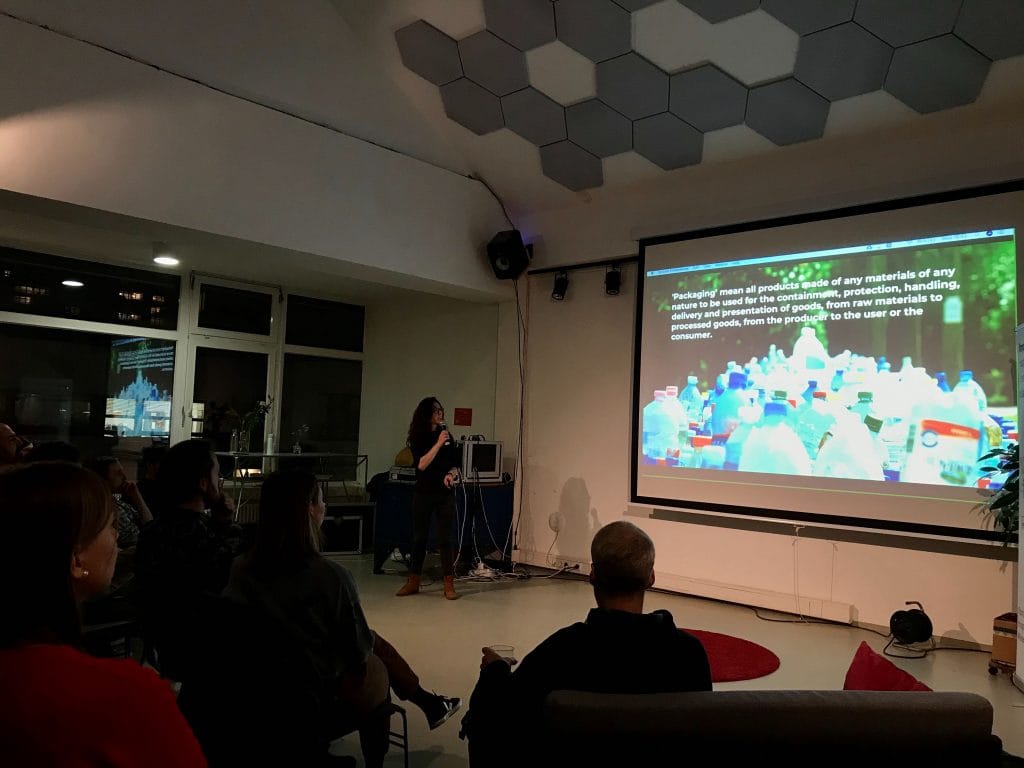
Flexible packaging? Rigid packaging? Transportation packaging? Food-contact related packaging? – It is not easy to bring this topic under one term, even though we call all it “packaging.” On February 26th, Circular Berlin together with RawParadise and Project Together hosted our first event in 2020, where we shared our knowledge on the topic of plastic…
-
Report: Circular economy in Berlin’s construction
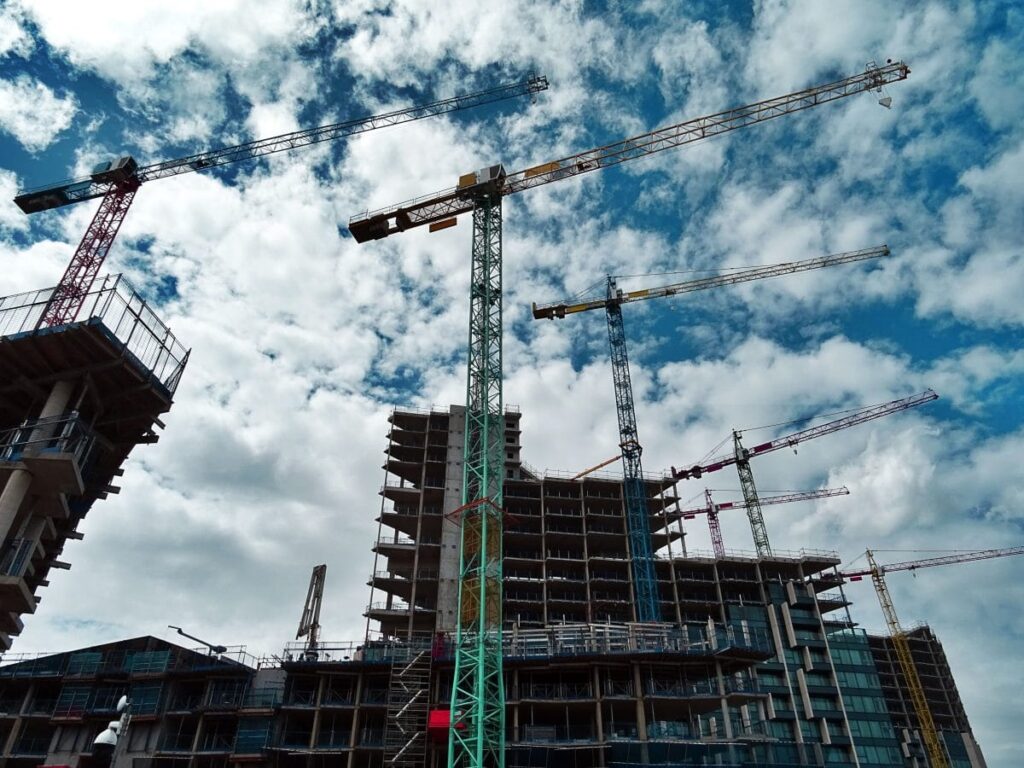
Written by Last year Circular Berlin took part in a big project run together with EIT Climate-KIC, building a circular construction ecosystem in Berlin. Of course building the ecosystem is not a one year task, it is a long way to go, but we are glad to keep the ball rolling. During 2019 Circular Berlin…
-
Friedrichshain-Kreuzberg goes Zero Waste
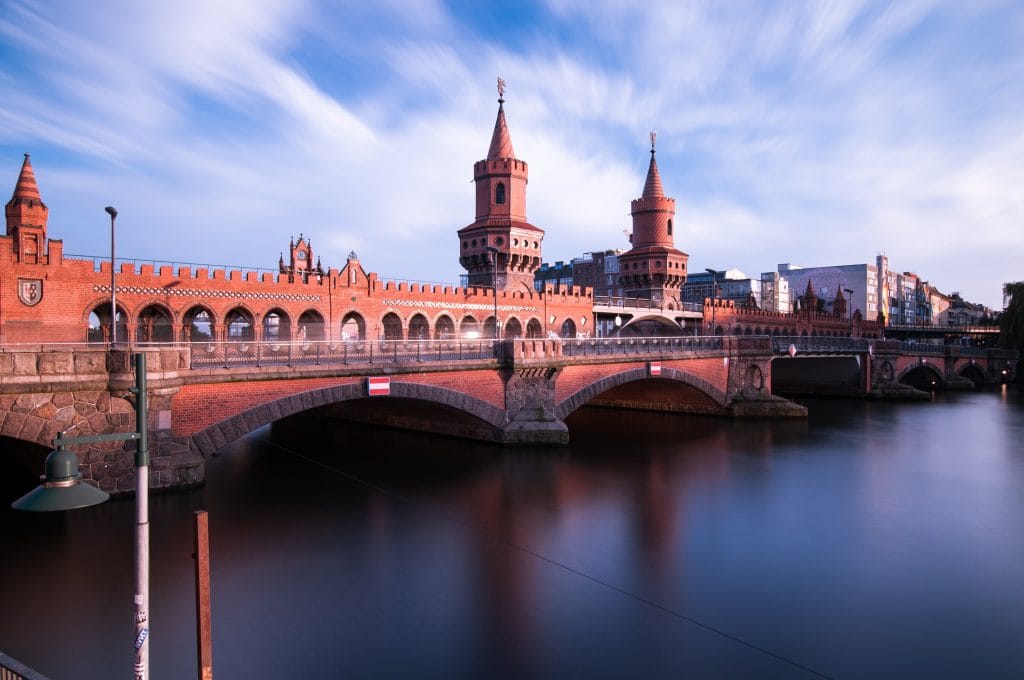
Circular Berlin, together with BUND Berlin and GRÜNE LIGA Landesverband Berlin, has developed a zero waste concept for public spaces and events in the district of Friedrichshain-Kreuzberg. The four month project collaboration was successfully completed in December 2019, with a final press conference in early January. By commissioning the concept, the district has taken on…
-
Berlin’s path to a circular city – time to start
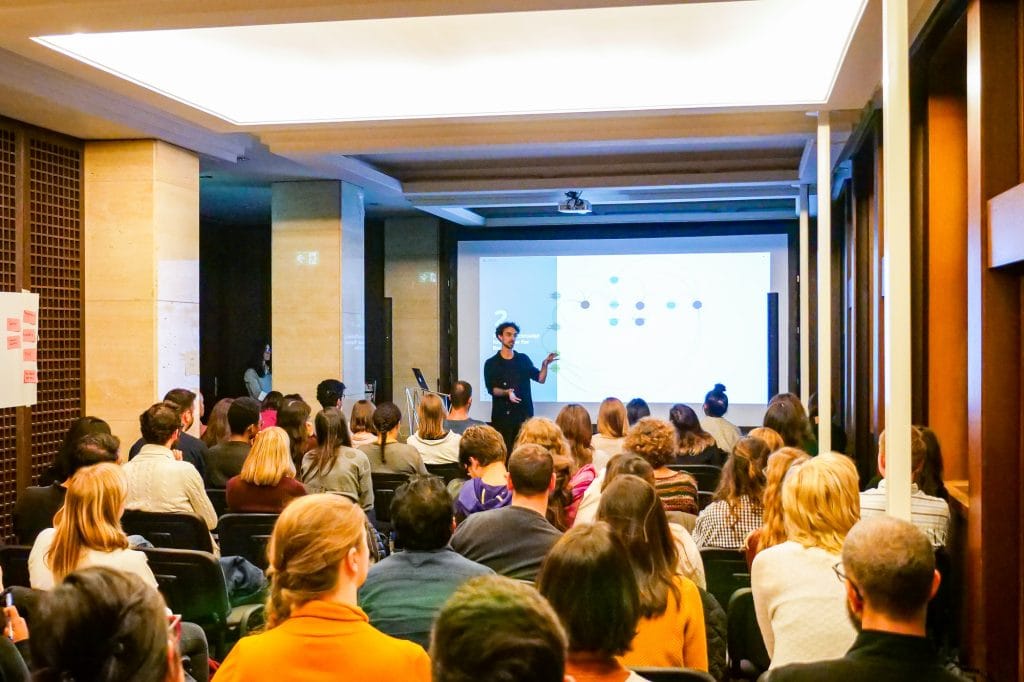
Cities are major centres of the human population, economic capital, natural resource use, and waste generation. In Circular Berlin we strongly believe that the Circular City is the future approach to address the pressing topic of resources. Here is how we define it for our work: Resources are sourced locally, if possible, used only if truly needed, and their value is maintained as part of a continuous loop ー within the limits of our planet. Waste and pollution are non-existent. People’s lives and jobs positively affect their neighbourhoods and communities. Circular Berlin With our…
-
Circular Berlin is selected among the finalists of the 2019 Transformative Action Award
Circular Berlin (Germany), Leuven2030 (Belgium) and the City of Lousada (Portugal) were announced as the finalists of the 2019 Transformative Action Award. The European sustainability award is organised by ICLEI, the Basque Country and the City of Aalborg (Denmark) and supported by the European Committee of the Regions (CoR) and the European Investment Bank (EIB). Now in its third year,…
-
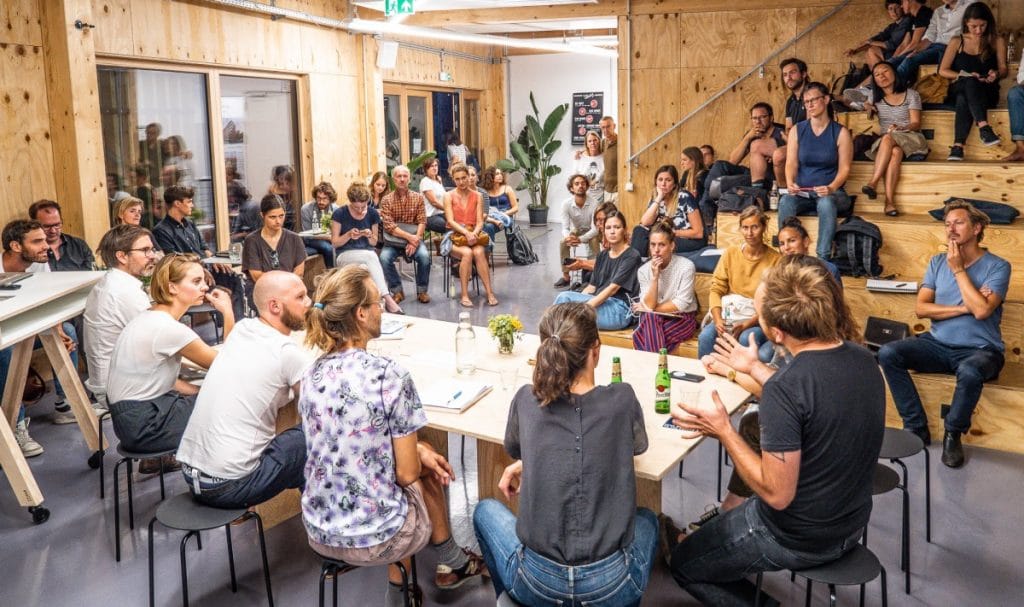
Learning from spaces or how spaces can underpin circular construction
Together with the Urban Ideation Lab at B-Part Am Gleisdreieck on August 22, 2019, Circular Berlin discussed the topic of spaces and how the use of space in the building can underpin circular construction. To accelerate the transformation from linear to circular economy in the construction sector, there is an urgency to deploy circular business…
-
Designing Away Waste: A Comparative Analysis of Urban Reuse and Remanufacture Initiatives
Designing Away Waste: A Comparative Analysis of Urban Reuse and Remanufacture Initiatives Transformation towards the circular city or circular society is a long process, which is hardly explored. It is a process where the outcomes are not fully predictable. Despite the fact that a lot of research was already initiated in the last years to…
-
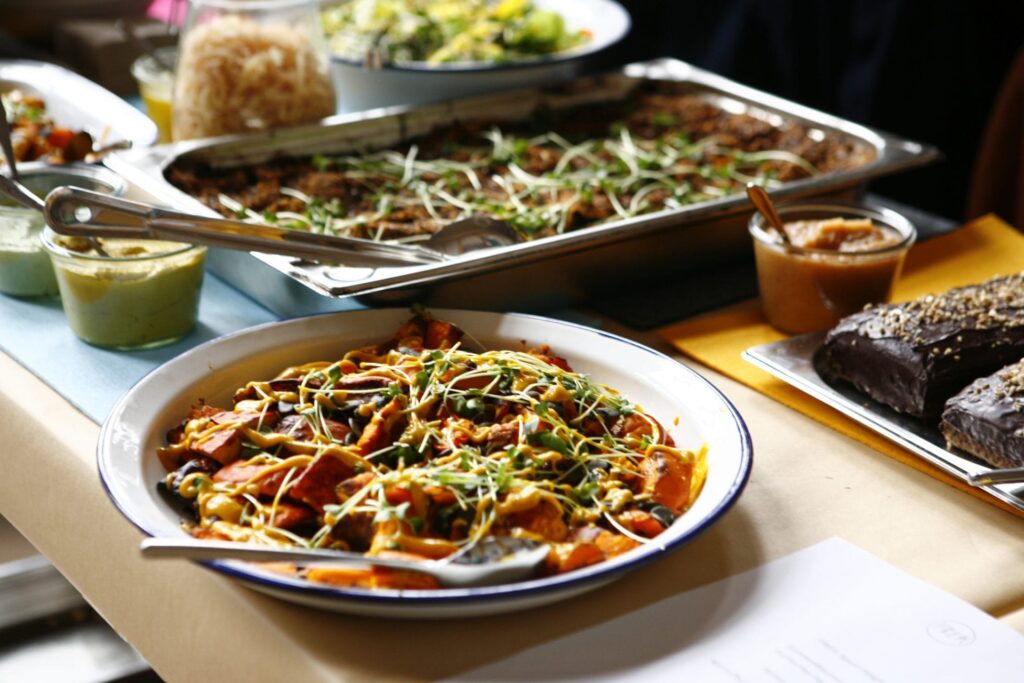
Workshop results: Circular economy in the Berlin food sector
On the 26.02 Circular Berlin together with the partners Berlin Partner für Wirtschaft und Technologie, visitBerlin, HealthCapital, and BeShared hosted our third multi-stakeholder workshop on the topic of Circular Economy potentials for Food and Biomass streams in Berlin and Berlin religion. The challenges of food waste, unsustainable agriculture and alternative ways of dealing with the biomass were addressed during the…
-
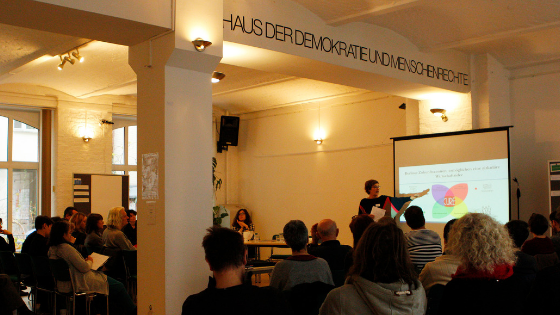
Workshop results: Center for Urban Remanufacture
On the 06.12 Circular Berlin together with the CURE project partners (TU Berlin – Chair for Circular Economy and Recycling Technologies, Material Mafia, and OMA e.V.) hosted a workshop on the topic of Berlin Center for Urban REmanufacture. Already during the preparation phase, we were more than excited to receive more than 100 registrations from…
-
Workshop results: Circular construction in Berlin
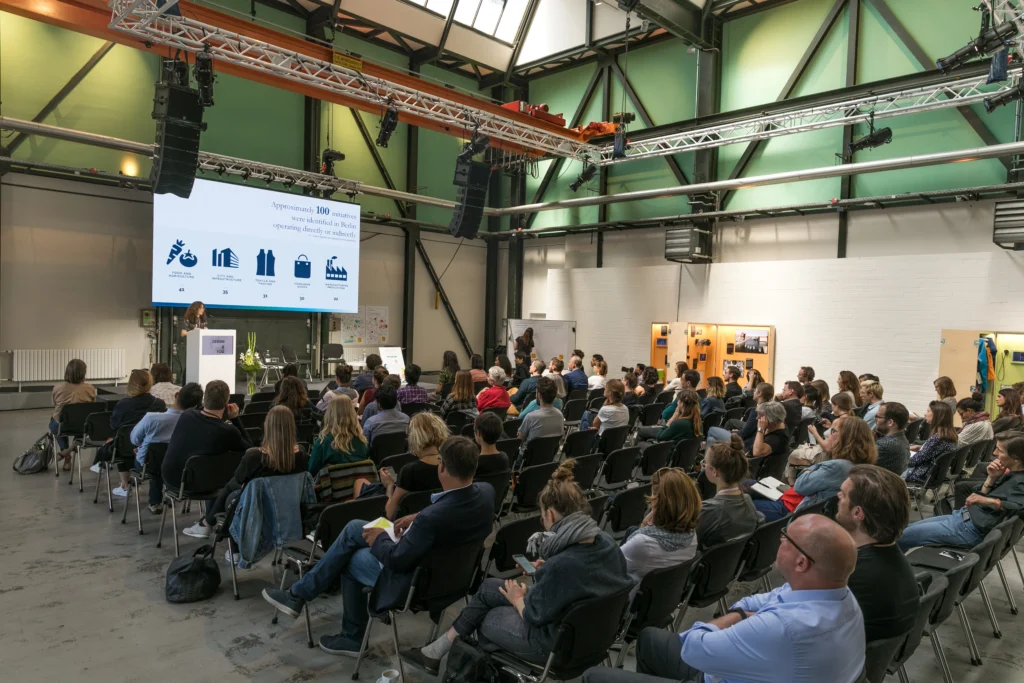
On the 20.11 Circular Berlin together with EIT Climate-KIC hosted a workshop on the topic of Circular Construction. Among others, the objective was to discuss current challenges for this field and what the potentials are to set Berlin Construction on the circular rails. Circular Construction is an approach, which requires a lot of discussion and…
-
Circular Economy: redesigning economy beyond a product
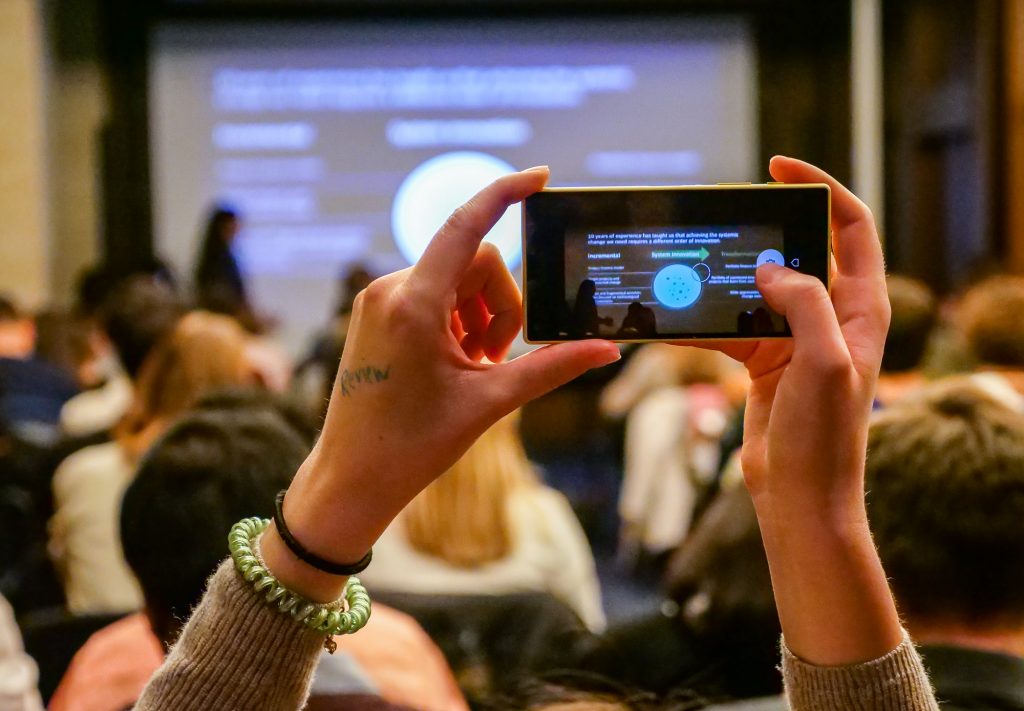
The recent debates around circular economy tend to focus primarily on product redesign. But is an economy simply about a product or a product business development? If we cover a little bit of theory, the circular economy is an umbrella term for different economic schools of thoughts. Design. ‘Cradle 2 Cradle’ applies product design methods avoiding…