
Category: Article
-
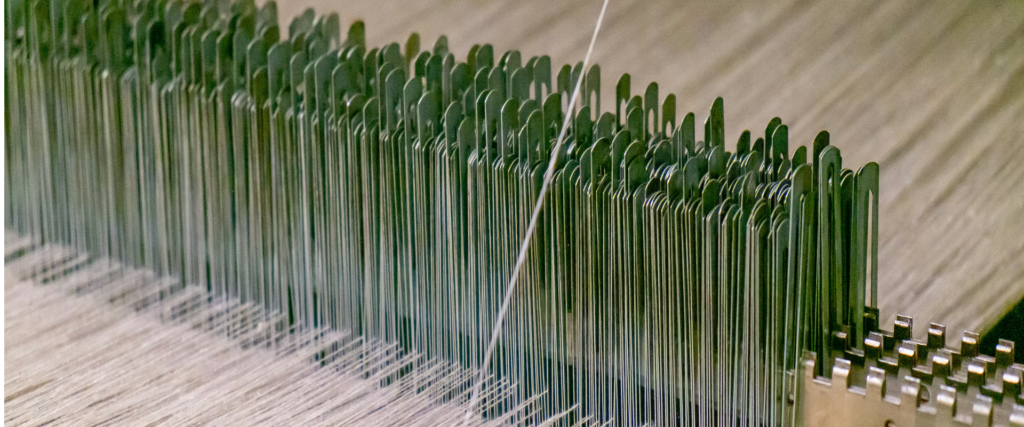
From Fiber to Function: Closing the Loop on E-Textiles
In November 2024, we had the opportunity to present key insights on sustainability and circular economy in the field of electronic textiles at the E-Textiles Conference in Berlin. But what happens when smart technologies meet linear textile systems? E-textiles are considered a promising innovation — yet from a circular economy perspective, they raise complex questions: How…
-

Reducing food waste in the hotel industry with zero waste and circular strategies
by Robert Hattaway Last year saw the conclusion of our 2-year project on food waste, a topic with huge environmental, social, and economic ramifications. Working together with partners NEW STANDARD.STUDIO, Seminaris Hotel, and visitBerlin, we explored this topic in the context of hotel gastronomy, looking at how the circular economy and zero waste approaches can…
-
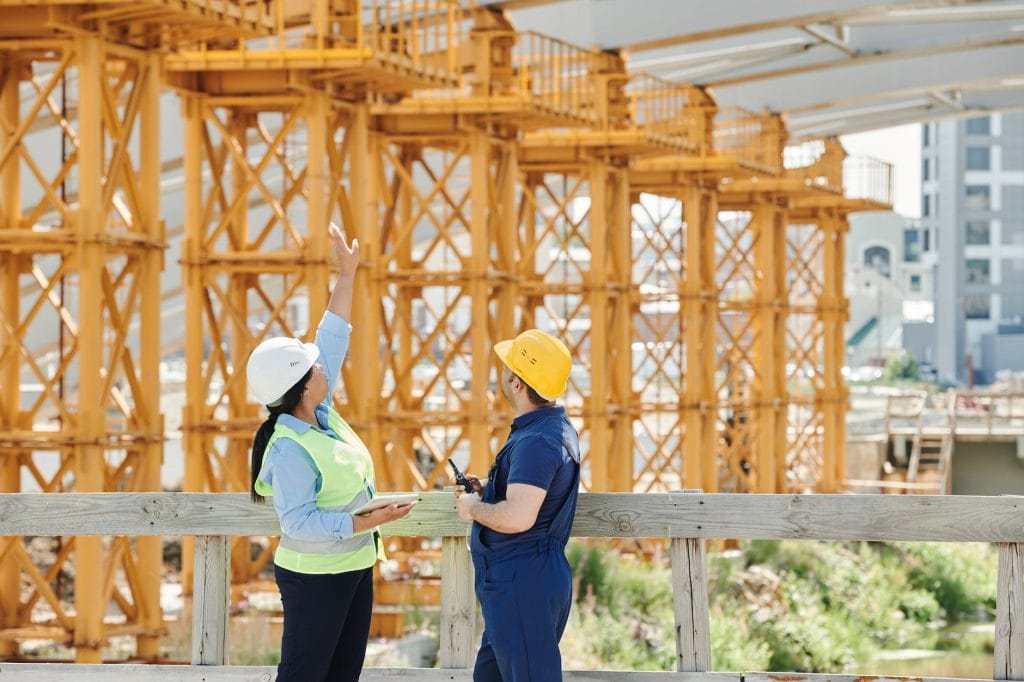
Driving Sustainable Construction: Exploring DGNB, LEVEL(s), and DIN’s Impact on Circular Construction.
by Alethya Cuberos and Daniela Raffo Organizations like DGNB (Deutsche Gesellschaft für Nachhaltiges Bauen), LEVEL(s), and DIN-Normenausschuss Bauwesen (NABau) (Standards Committee for Building and Civil Engineering), play significant roles in promoting sustainability, setting standards in the construction industry, and also shaping and promoting responsible approaches within the construction and building sectors. While the three entities…
-

AI in Circular Construction: current reality or a concept for the future?
by Alethya Cuberos Technologies for the construction sector to transition to the circular economy Along with the implementation of the circular economy strategies, such as extending building lifespans, redesigning with circularity in mind, reusing components, and recycling materials. We should also keep in mind the development of the new technologies that help to scale the…
-

Exploring the Role of Building Information Modelling (BIM) in the Circular Economy.
by Tabitha Ashley Opondo Technologies for the construction sector to transition to the circular economy If the construction sector wants to completely transition to a circular economy, then sustainable practices should be carried out from the initial planning stage. This article will break down how the sector can enhance material circularity using Building Information Modelling…
-
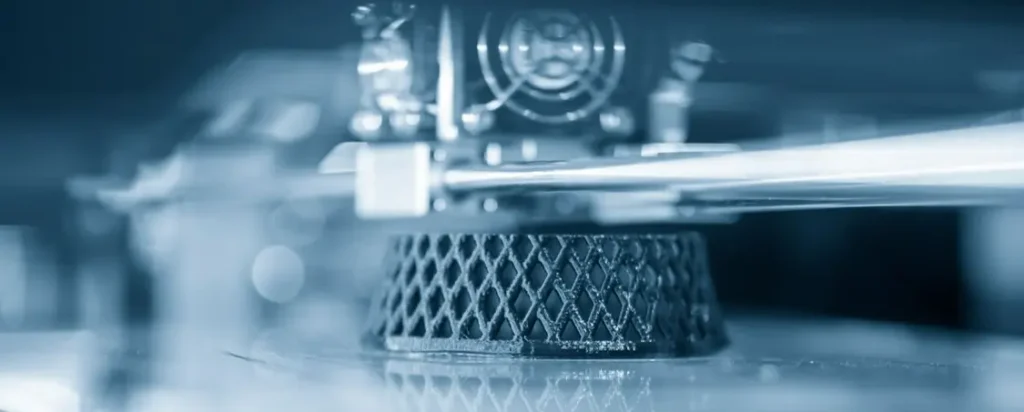
3D Printing: is it a new technological path for the circular solutions in construction?
by Tabitha Ashley Opondo Technologies for the construction sector to transition to the circular economy The construction industry has long been known for its unsustainable practices, with buildings often being designed and constructed with little regard for their environmental impact. However, as concerns about climate change and resource depletion continue to grow, there is a…
-
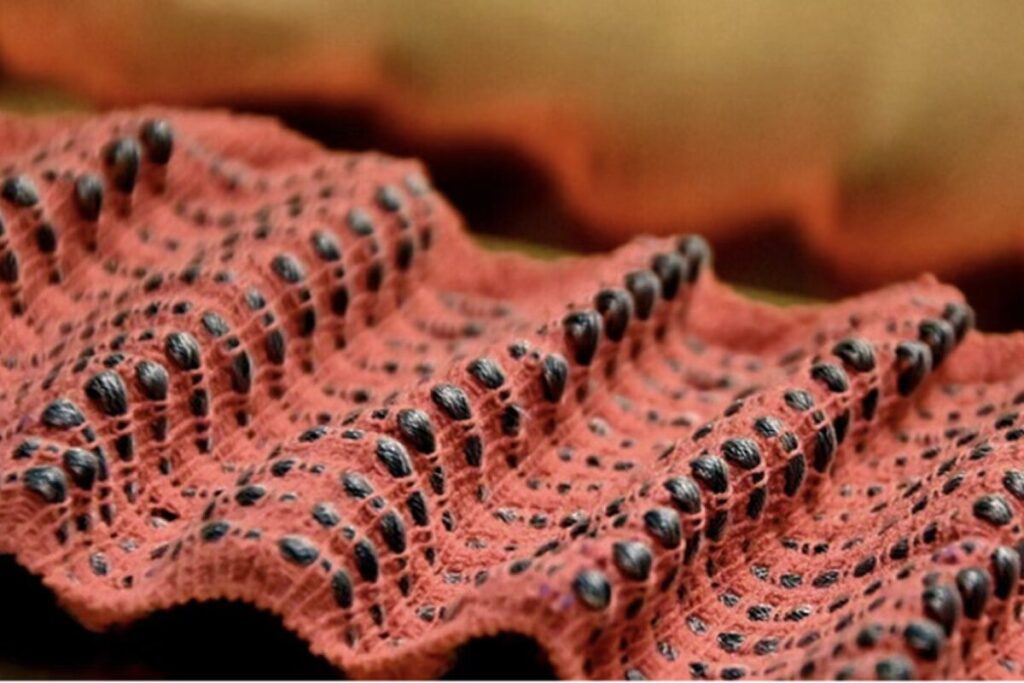
Circularity in fashion – How can it be reached?
In December 2022 Janka Eckert and Julia Kline invited us to a webinar on “How to become circular with your fashion brand in 2023”. Janka and Julia are sustainable fashion consultants and support companies in their transformation in becoming a sustainable player in their industry. Through their expertise, they have developed “The Sustainable Circle”, a…
-

Neue Vorschläge für die Kreislaufwirtschaft – EU will nachhaltige Produkte zur Norm machen.
Die Europäische Kommission veröffentlichte Anfang 2020 einen „Neuen Aktionsplan für die Kreislaufwirtschaft“, ein zentraler Baustein des European Green Deal. Mit Maßnahmen und Regelungen die sich über den gesamten Lebenszyklus von Produkten erstrecken – vom Design über die Herstellung bis zum Verbrauch – soll der Übergang zu einer Kreislaufwirtschaft beschleunigt werden. Eine nachhaltigere Produktpolitik soll gewährleisten,…
-
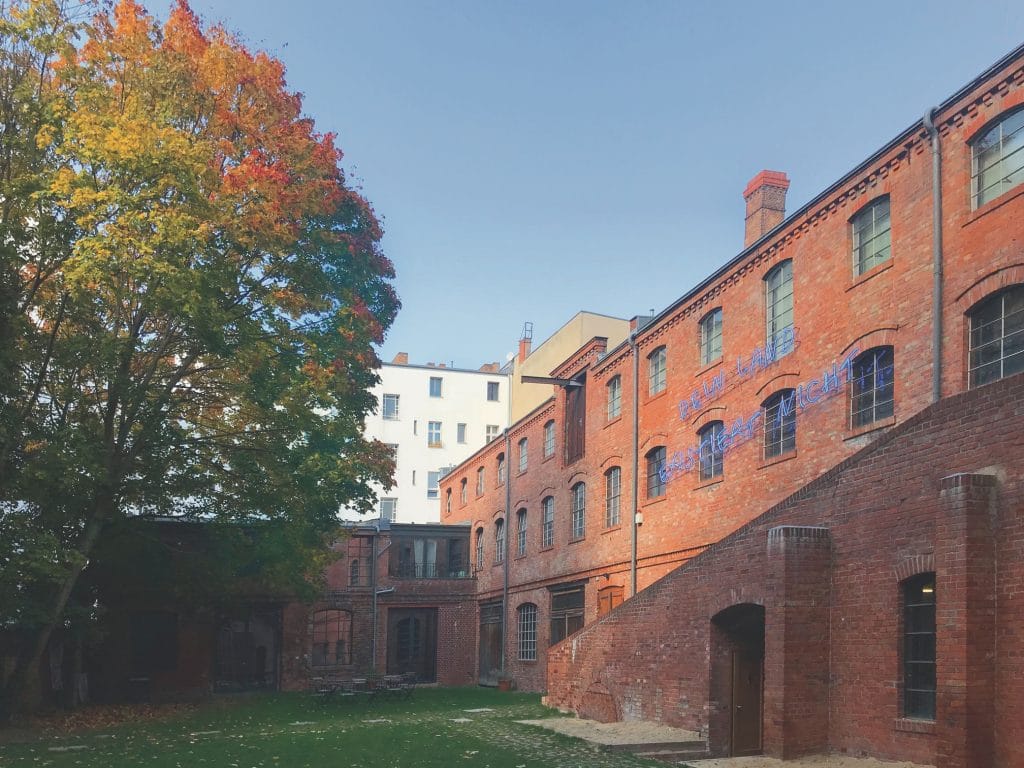
Freiraum in der Box – neuer Hotspot für Circular Economy in Berlin – Friedrichshain.
Der Freiraum in der Box ist ein Teil der Community von Circular Berlin. Wir haben mit Carolina Mojto, der Architektin, Gründerin und Leiterin über Circular Economy im Freiraum gesprochen. Sie revitalisiert Häuser in Berlin und schafft nachhaltige, mit dem lokalen Umfeld verbundene und weltoffene Communities, wie z.B. im Freiraum, in der Boxhagenerstr. 96 und auch im…
-

Sekundärrohstoffe im Lebensmittelbereich als Essenz für die urbane Circular Economy.
Städte spielen eine zentrale Rolle in der globalen Wirtschaft und sind Impulsgeber für ein kreatives und innovatives Wachstum. Gleichwohl unterliegen sie aufgrund ihrer Größe einer gewissen Komplexität und verbrauchen immense Ressourcen, was sich zum Beispiel auch in der Lebensmittelherstellung und -versorgung niederschlägt. Eine isolierte Ansicht ist dabei nicht möglich, denn Themen wie Haltbarkeit, Gesundheit, Logistik,…
-
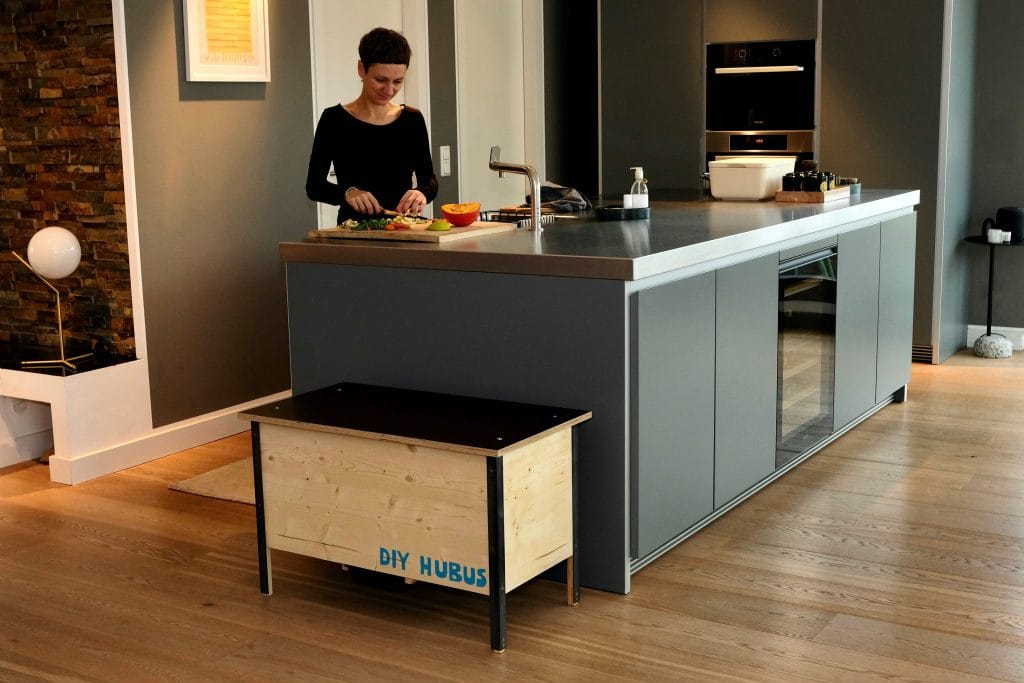
Kompostieren in der Stadt, kein Problem!
In Berlin mit über 3,7 Millionen Menschen gehen pro Jahr und Einwohner*in 85-89 kg Bioabfall verloren (Selbstkalkulation: Abfallbilanz 2017, Stand vor der Einführung der Bioabfall-Sammlung als Pflichttonne). Damit wird der natürliche Stoffkreislauf unterbrochen. Eigentlich könnte aus dem Abfall fruchtbarer Wurmhumus werden. Durch Kompostierung. Und das geht auch in der Stadt. Kompostwürmer sind eine heimische Art…
-
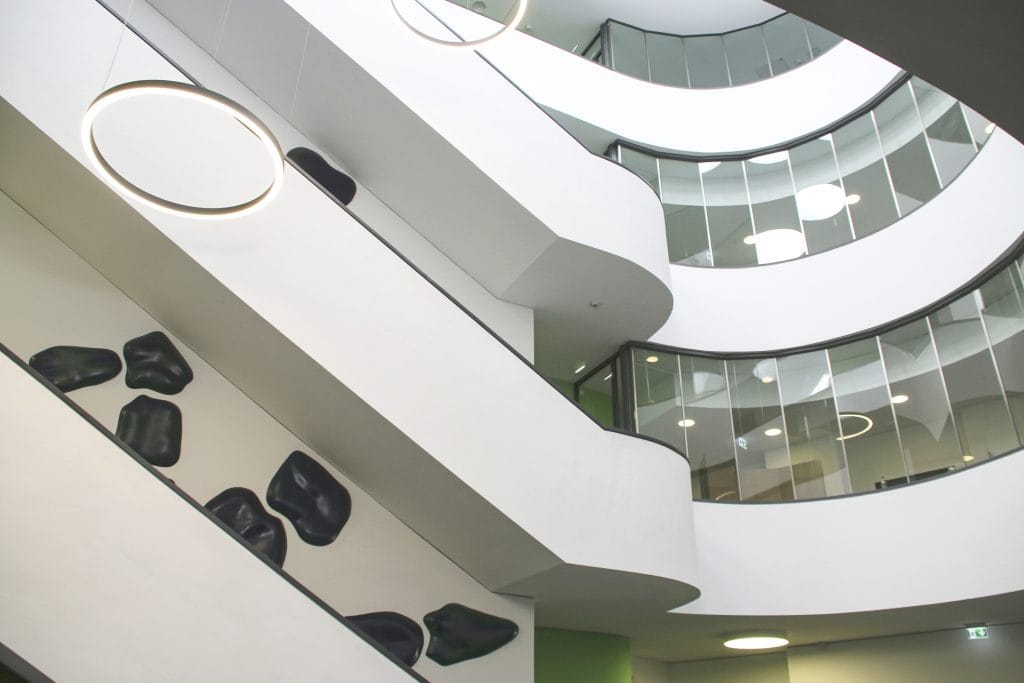
Die Rolle der Baustoffindustrie in der Kreislaufwirtschaft
Im Rahmen des laufenden Projekts über Circular Economy in der Bauindustrie, in Zusammenarbeit mit dem EIT Climate-KIC, sprach Circular Berlin mit Alexandra Decker von CEMEX Deutschland über die Herausforderungen und Chancen der Kreislaufwirtschaft in der Baustoffindustrie. Alexandra Decker ist bei CEMEX Deutschland für den Bereich Public Affairs zuständig. Für das Unternehmen beobachtet und schätzt sie…
-
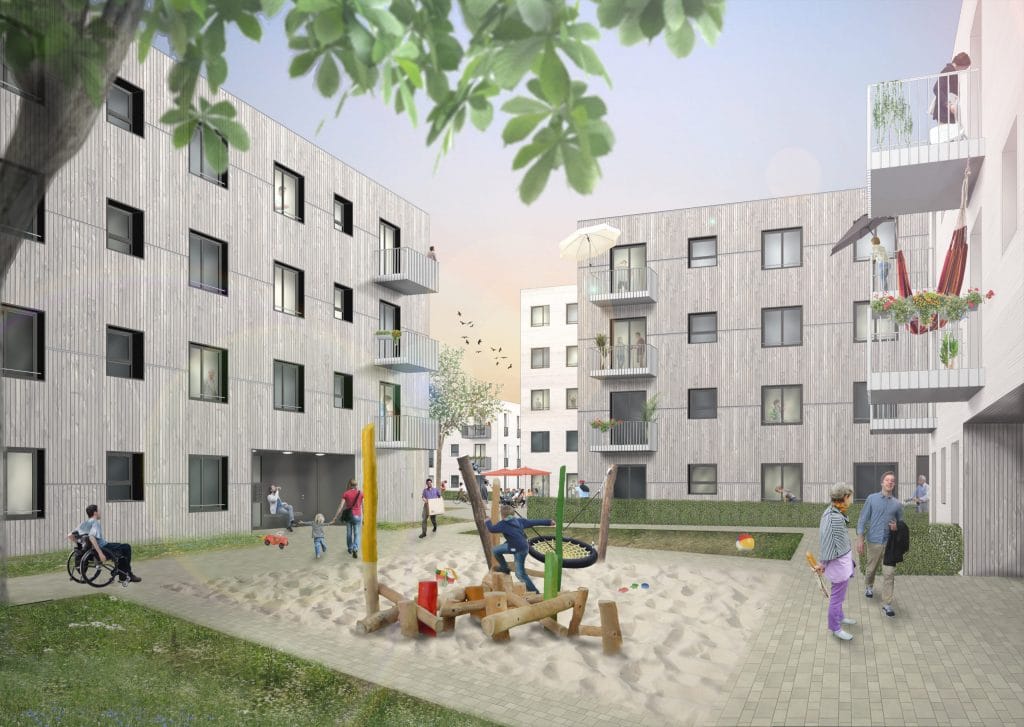
Kreislaufwirtschaft im nachhaltigen Wohnungsbau
Im Rahmen des laufenden Projekts über Circular Economy in der Bauindustrie, in Zusammenarbeit mit dem EIT Climate-KIC, sprach Circular Berlin Circular Berlin mit Stefan Schautes von HOWOGE über die Herausforderungen und Chancen der Kreislaufwirtschaft für den nachhaltigen Wohnungsbau. Stefan Schautes ist zuständig für den Bereich Neubau und vertritt die HOWOGE als einer der Prokuristen. Seine…
-
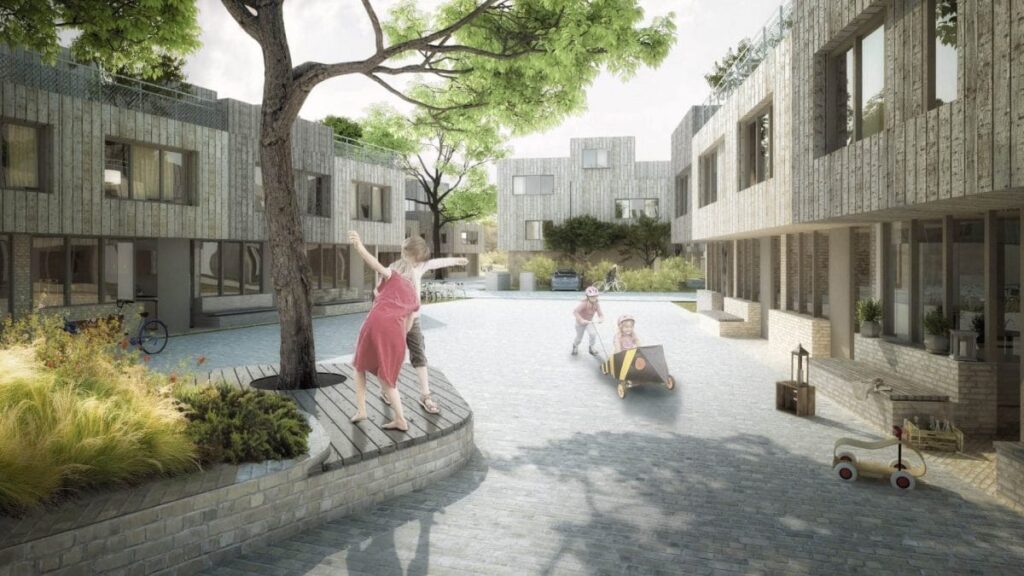
Low-tech construction, material approach and circularity
Architecture, engineering and the construction industry face an unprecedented and urgent need to be at the forefront of systematic change towards a circular economy. Accelerating the transition to a circular built environment, together with EIT Climate-KIC, Circular Berlin spoke to Andrea Klinge to obtain key insights on the circular economy in the construction sector in…
-
restado.de fördert die Wiedernutzung von Baustoffen mit einem digitalen Marktplatz
Circular Berlin bereitet die Serie von Interviews in englischer und deutscher Sprache mit den Praktikern des Themas Circular Economy im Bausektor vor, um mit ihnen die Erkenntnisse der Circular Economy zu erkunden. restado schafft einen Markt für übrige und wiedergewonnene Baustoffe. Das Green Impact Startup gehört zu den Top 100 Global ConTech Startups und wurde…
-
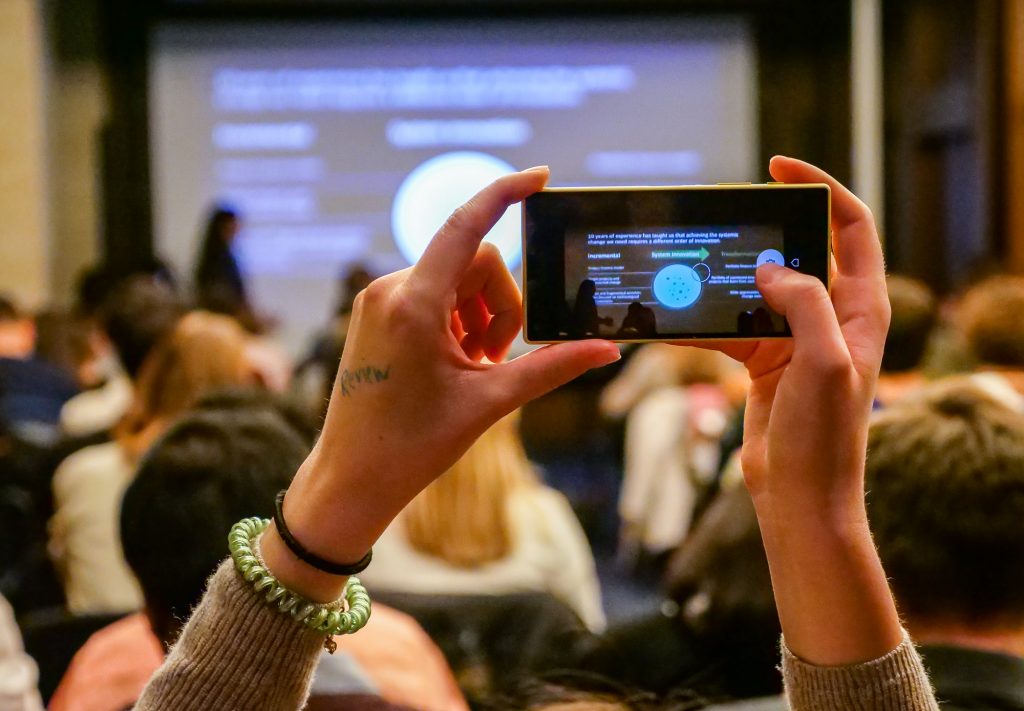
Circular Economy: redesigning economy beyond a product
The recent debates around circular economy tend to focus primarily on product redesign. But is an economy simply about a product or a product business development? If we cover a little bit of theory, the circular economy is an umbrella term for different economic schools of thoughts. Design. ‘Cradle 2 Cradle’ applies product design methods avoiding…