Published by
Report: Scaling Repair and Reuse in Urban Areas
How circular is our approach to clothing in Berlin really? And what needs to happen so that textiles are worn longer and repaired instead of ending up prematurely as waste?
Available online now: Our latest technical report, “Scaling Textile Repair and Reuse in Urban Areas.” This publication summarizes the results from the SOLSTICE, Textile Journeys, and A-Gain Guide projects from the years 2024 and 2025. The study outlines the current state of the urban textile sector and formulates concrete economic policy recommendations. While these are based on Berlin-specific data, they are transferrable to other cities and municipalities in Europe.
Why Textiles?
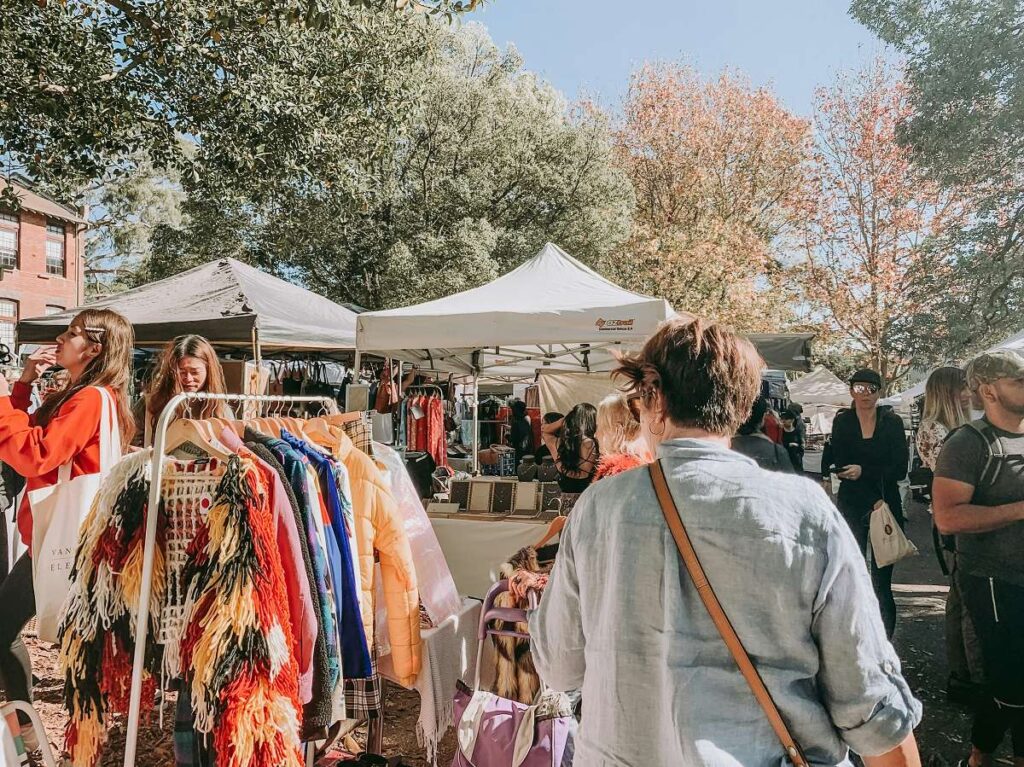
The rapid and excessive consumption of cheap fast fashion leads to ever-increasing volumes of textile waste. In Berlin, over 18 kg of post-consumer textiles are generated per capita each year. The estimated climate impact of these textile waste streams in the capital amounts to 605,000 tonnes of CO2 equivalents per year, representing around 4% of the city’s total CO2 emissions. At the same time, the textile collection and sorting industry is reaching its limits, and local textile crafts are under immense pressure. The vast price gap between newly produced cheap fashion and sustainable alternatives makes utilization options like repairs extremely difficult.
What is in the Report?
The technical report provides a deep insight into the systemic challenges and potential of the textile circular economy at a local level:
- Consumer Behavior & Barriers: Insights from an online survey show that structural barriers such as price, lack of time, and poor accessibility still frequently prevent consumers from utilizing reuse solutions in their everyday lives.
- Textile Waste on the Streets: Data from the “Textile Journeys” project proves a high loss of resources due to careless disposal. The analysis shows that a large portion of discarded clothing could still be used through simple repair or upcycling measures.
- Fair Pricing & Local Crafts: The report highlights the economic reality of repair businesses and introduces the development of the “FAIR PRICE CHECK” to secure the local repair sector in the long term.
- Calculating Climate Impact: Results from the development of a CO2 calculator illustrate how effectively emissions can be saved by choosing reuse channels instead of buying new.
- Strategic Fields of Action: Circular Berlin formulates three central priorities for policy and administration:
- 1. Expanding reuse infrastructure as a lever for climate protection.
- 2. Creating fair framework conditions for repair businesses.
- 3. Strengthening reuse as a social practice through community formats.
Setting the Course for a Resilient Urban Textile Economy
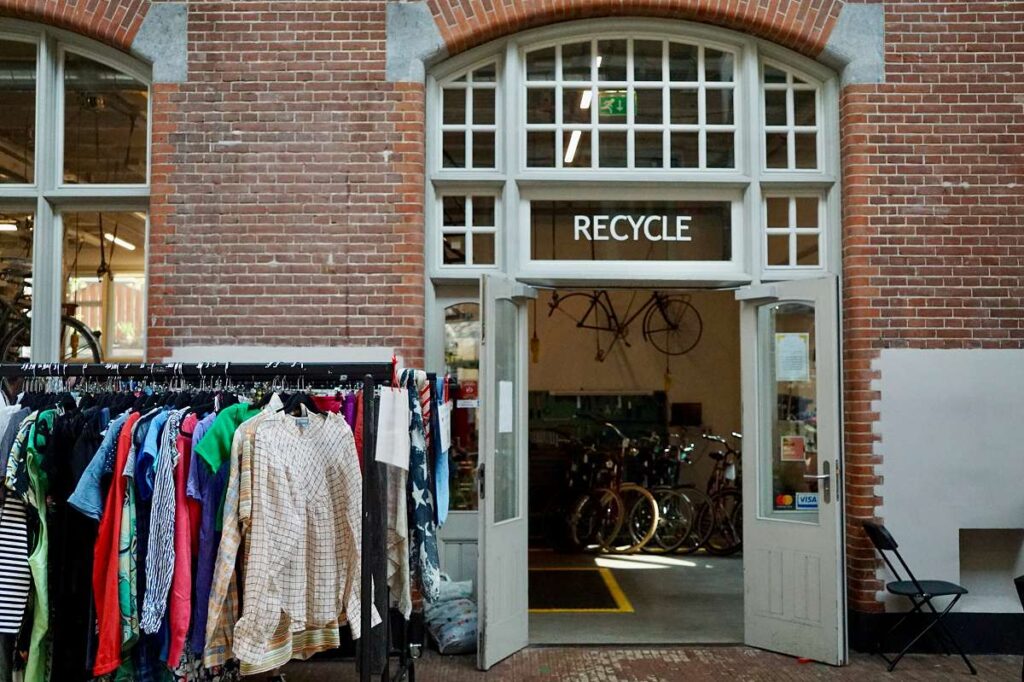
Our analyses underscore that urban areas like Berlin must act as drivers of the circular textile economy. Instruments such as Extended Producer Responsibility (EPR) offer cities an enormous opportunity to specifically promote reuse, reduce waste volumes, and advance climate neutrality.
Whether you are a policymaker, a repair business owner, or a citizen interested in sustainability, this report serves as a well-founded guide to establishing reuse as an effective lever for climate protection, resource conservation, and social participation in our city.