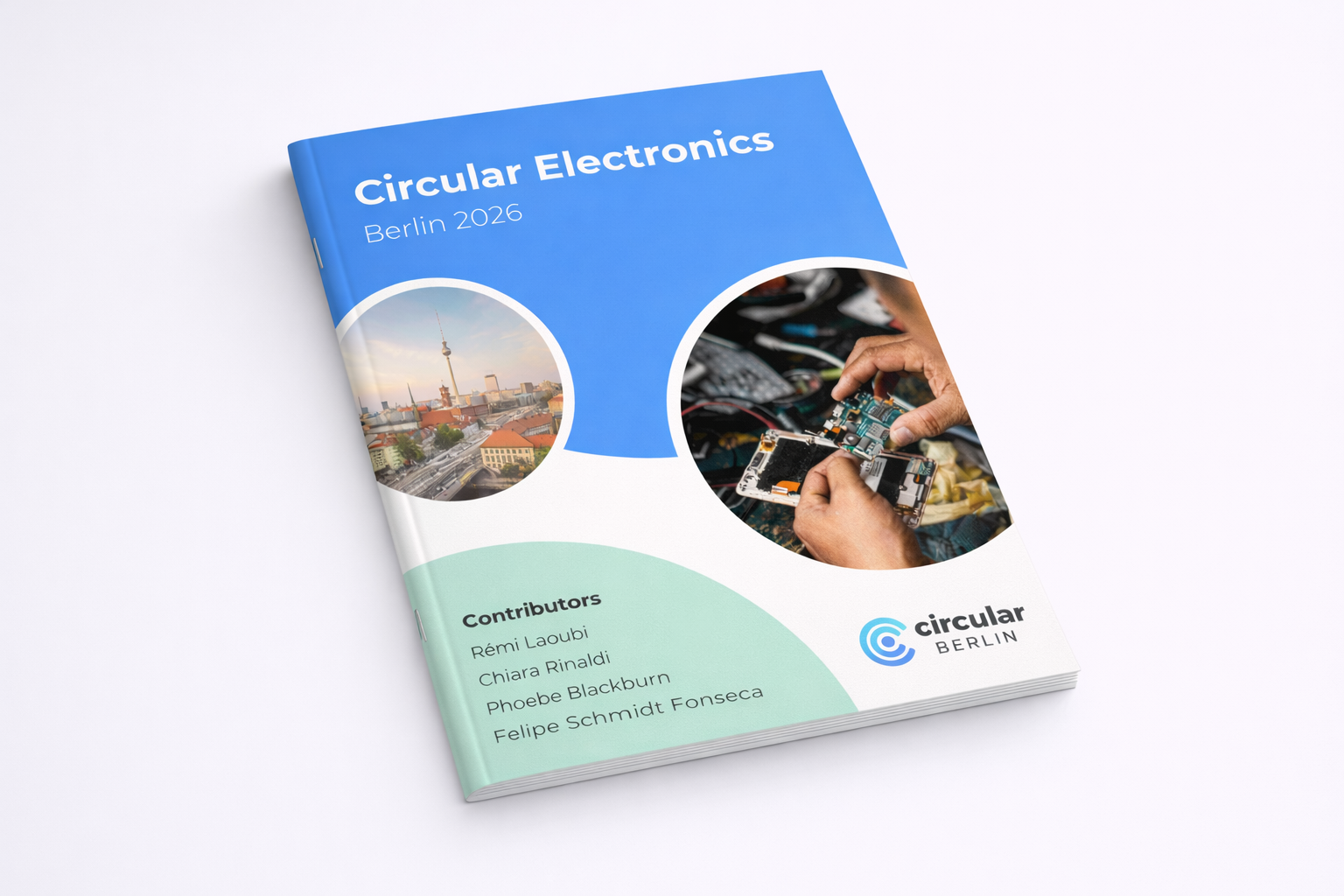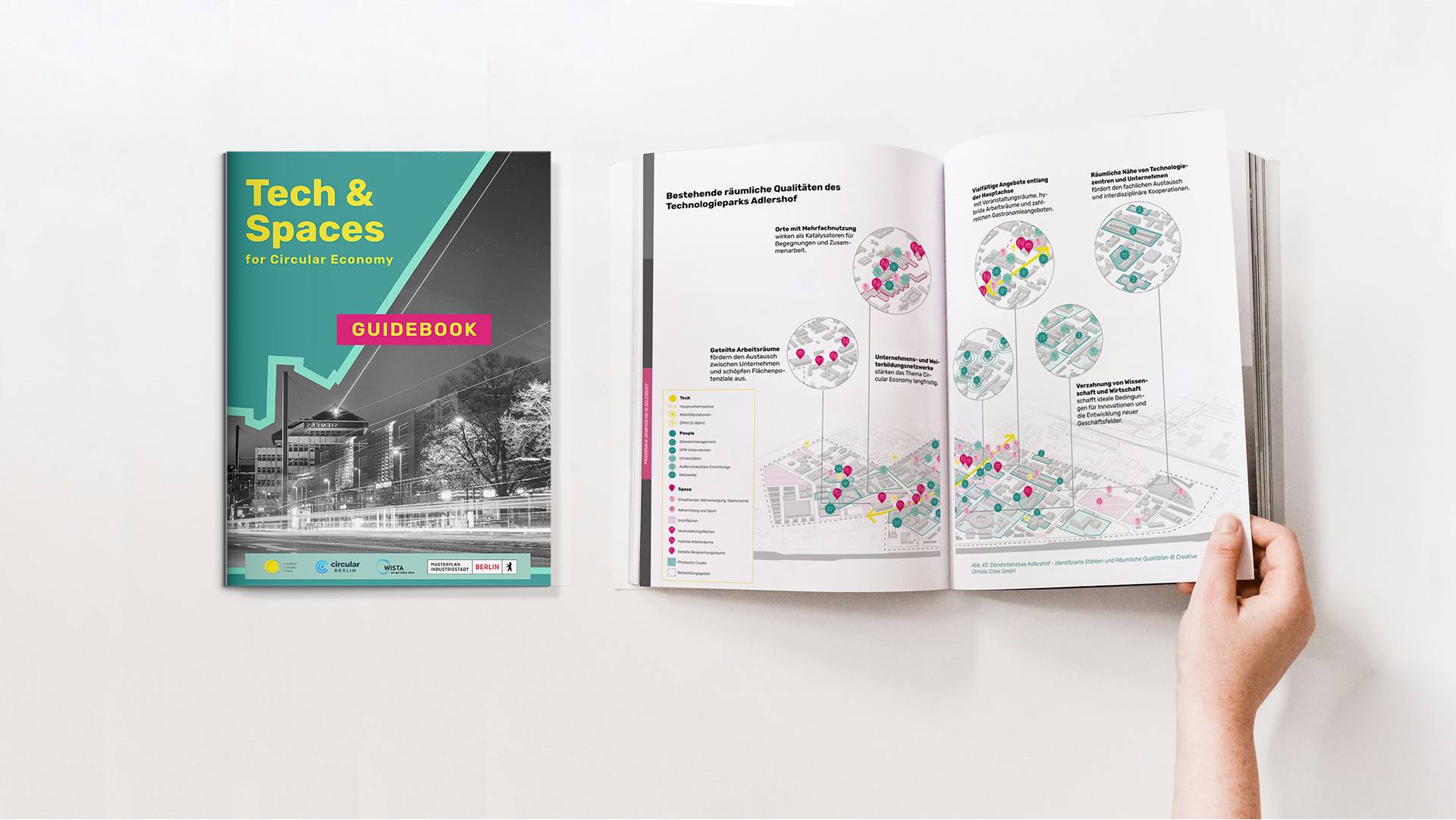
Published by
Position Paper: 2026 Berlin House of Representatives Election
Berlin 2030 – Circular Economy as the Guiding Strategy for Resilience and Prosperity
Context & Rationale
Berlin is facing multiple challenges: the climate crisis, resource scarcity, and rising living costs demand systemic solutions. Circular economy is no longer a niche ecological topic; it is a central driver of innovation for the city’s economy and public services (Daseinsvorsorge). To meet its targets, Berlin must reduce its emissions by 70% by 2030. This paper outlines the path to achieving that goal.
The Three Strategic Pillars of Transformation
Circular Berlin has formulated concrete recommendations for the upcoming legislative period:
1. Market Incentives and Investment Conditions Circular business models must become the economic standard. We call for the integration of circular criteria into economic development programs (e.g., IBB, GRW) and the targeted financing of circular infrastructures.
2. Consumption, Usage, and Social Acceptance Circular daily practices such as repair, sharing, and reuse must become easily accessible and attractive for all Berliners. This includes district-wide repair services and the strengthening of circular literacy within the education system.
3. Political Governance and Administrative Capacity We need clear mandates and cross-departmental coordination. The circular economy must be financially and institutionally secured through dedicated budget lines and an integrated monitoring system.
Conclusion
The next legislative period will decide whether Berlin seizes the opportunity to anchor the circular economy as the guiding strategy for urban development. Circular Berlin provides the expertise and networking platform necessary to translate political strategies into effective, high-impact measures.