
Tag: food
-
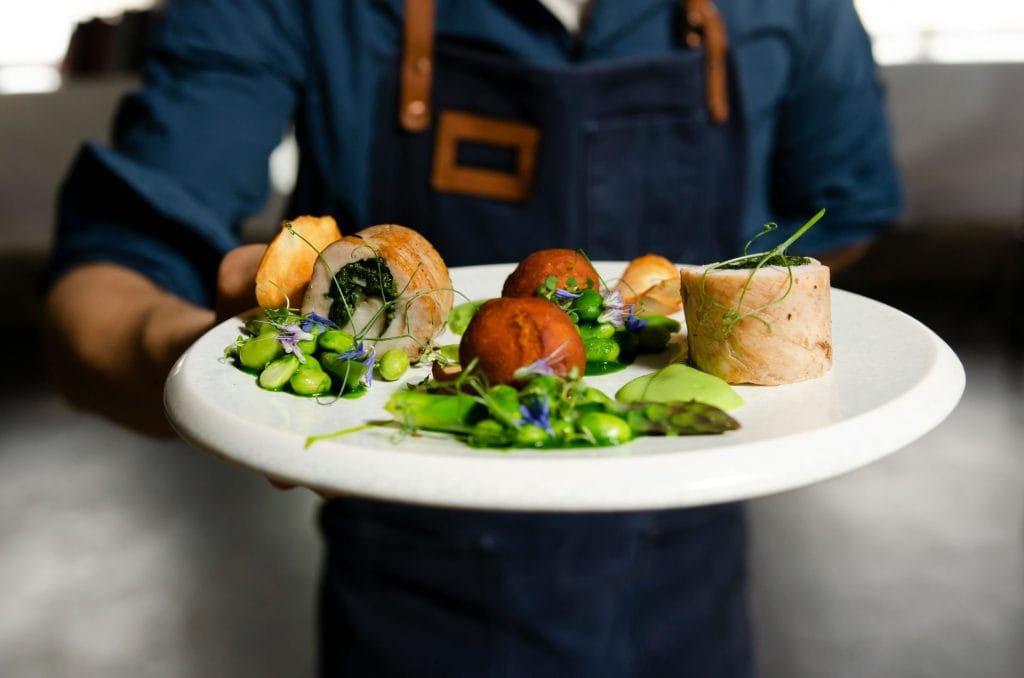
Reducing food waste in the hotel industry with zero waste and circular strategies
by Robert Hattaway Last year saw the conclusion of our 2-year project on food waste, a topic with huge environmental, social, and economic ramifications. Working together with partners NEW STANDARD.STUDIO, Seminaris Hotel, and visitBerlin, we explored this topic in the context of hotel gastronomy, looking at how the circular economy and zero waste approaches can…
-
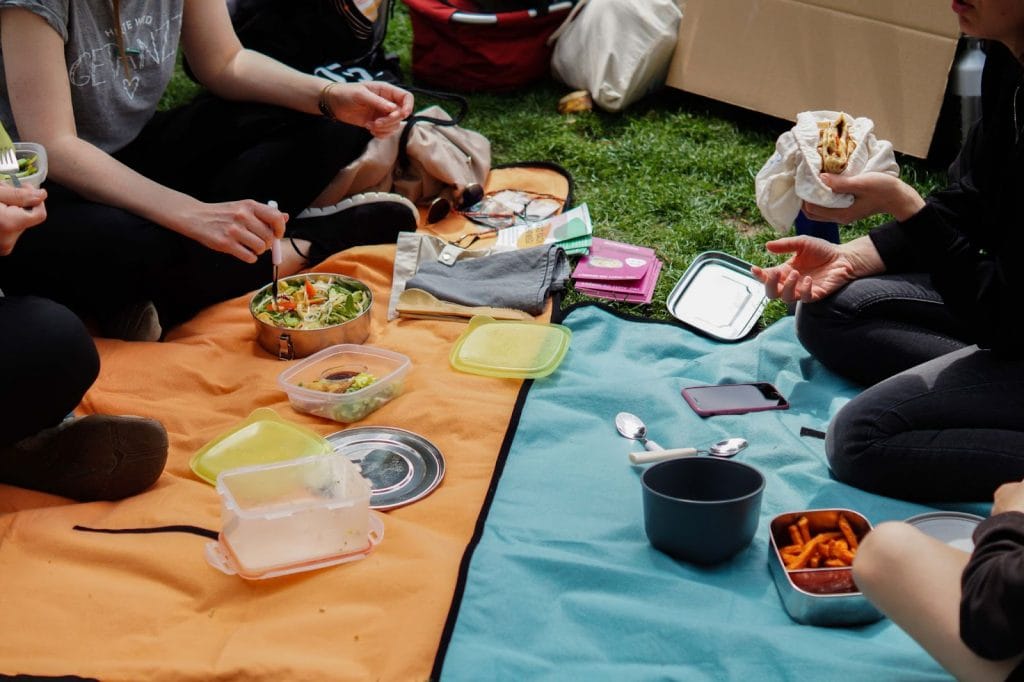
Reusables in gastronomy – increasing awareness and adoption of Mehrweg in Berlin.
It is almost as if you can hear the giant sigh of relief as the weather gets nicer, the masks come off, and the people of Berlin opt to enjoy their favorite foods in the park, instead of at the cafe/restaurant. A reason to celebrate, right? Yes and no. It has been a rough two+…
-
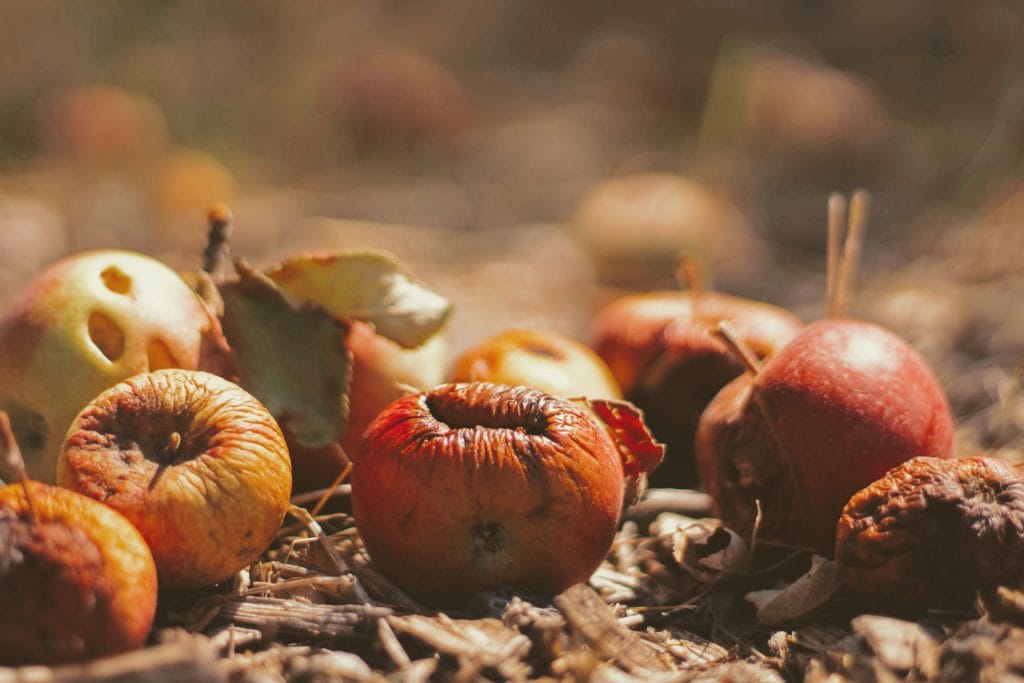
Sekundärrohstoffe im Lebensmittelbereich als Essenz für die urbane Circular Economy.
Städte spielen eine zentrale Rolle in der globalen Wirtschaft und sind Impulsgeber für ein kreatives und innovatives Wachstum. Gleichwohl unterliegen sie aufgrund ihrer Größe einer gewissen Komplexität und verbrauchen immense Ressourcen, was sich zum Beispiel auch in der Lebensmittelherstellung und -versorgung niederschlägt. Eine isolierte Ansicht ist dabei nicht möglich, denn Themen wie Haltbarkeit, Gesundheit, Logistik,…
-
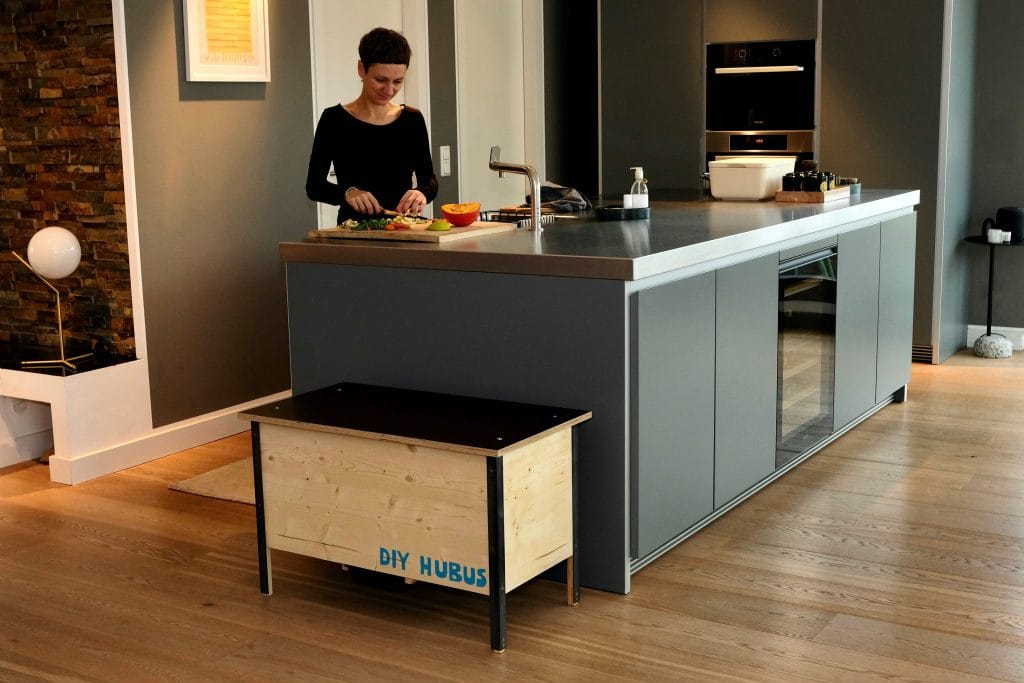
Kompostieren in der Stadt, kein Problem!
In Berlin mit über 3,7 Millionen Menschen gehen pro Jahr und Einwohner*in 85-89 kg Bioabfall verloren (Selbstkalkulation: Abfallbilanz 2017, Stand vor der Einführung der Bioabfall-Sammlung als Pflichttonne). Damit wird der natürliche Stoffkreislauf unterbrochen. Eigentlich könnte aus dem Abfall fruchtbarer Wurmhumus werden. Durch Kompostierung. Und das geht auch in der Stadt. Kompostwürmer sind eine heimische Art…
-

Understanding the complexity of food systems to address urban and rural needs
Despite the challenging circumstances modern society faces today, Circular Berlin continues to invest energy in reshaping the systems in which our society depends upon. In relation to the food system, It is urgent that we align with environmental practices in the way that we produce food; reconciling ourselves with the natural environments that support life…
-
Kickstarting Circular Food in Berlin
2019 has been a year of a lot of movement in Berlin. For Circular Berlin (CB) this reality also applies. Different projects, workshops and initiatives have been developed during the year in order to promote and enhance the vision of circular economy among the entrepreneur community in our beloved city. On the 18th of July…
-

Workshop results: Circular economy in the Berlin food sector
On the 26.02 Circular Berlin together with the partners Berlin Partner für Wirtschaft und Technologie, visitBerlin, HealthCapital, and BeShared hosted our third multi-stakeholder workshop on the topic of Circular Economy potentials for Food and Biomass streams in Berlin and Berlin religion. The challenges of food waste, unsustainable agriculture and alternative ways of dealing with the biomass were addressed during the…