Published by
Rethinking Events: Circular Economy in Action
What does the future of events in Berlin look like as resources grow scarcer and regulations become stricter? That is precisely what we discussed on Tuesday, November 3, at our first event on circular practices for the event industry and our first joint event with visitBerlin. Sustainability and circular economy requirements are confronting the industry with major transformation tasks.
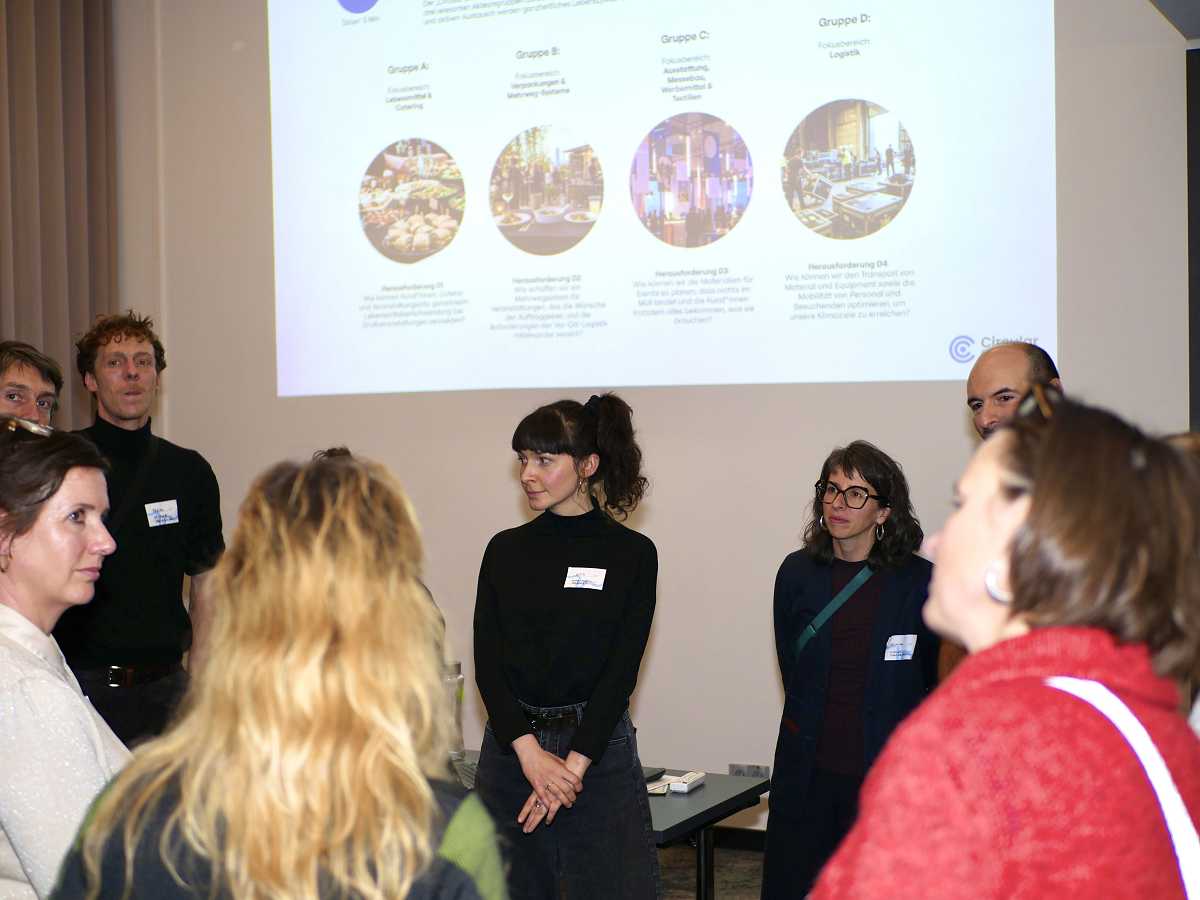
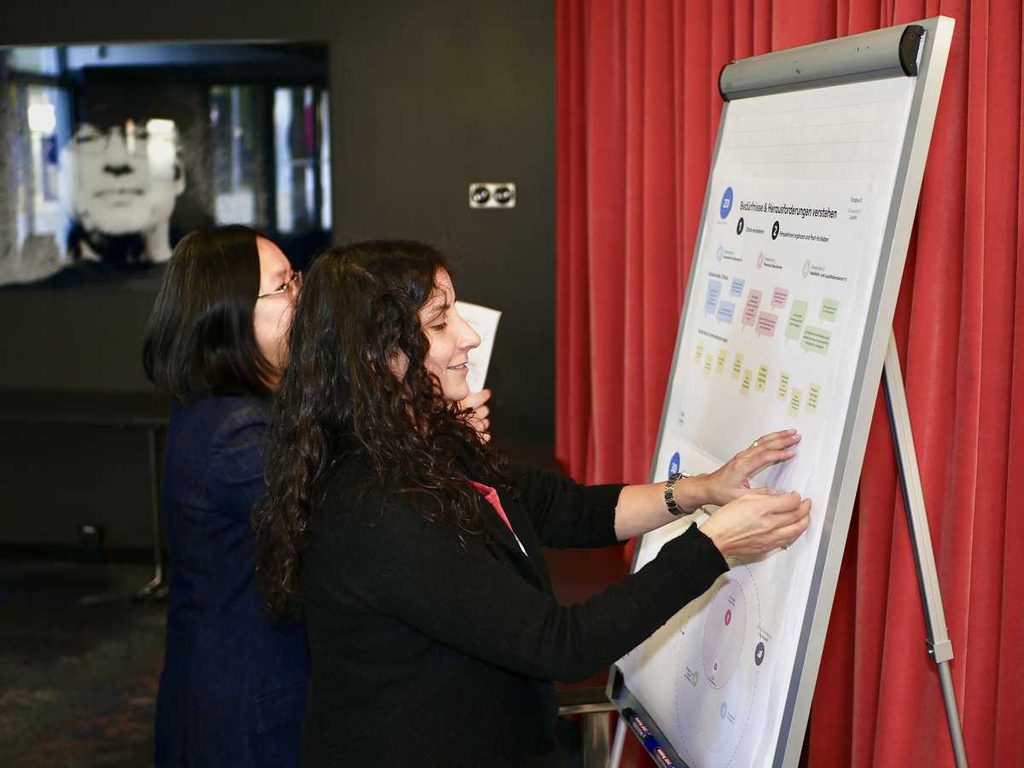
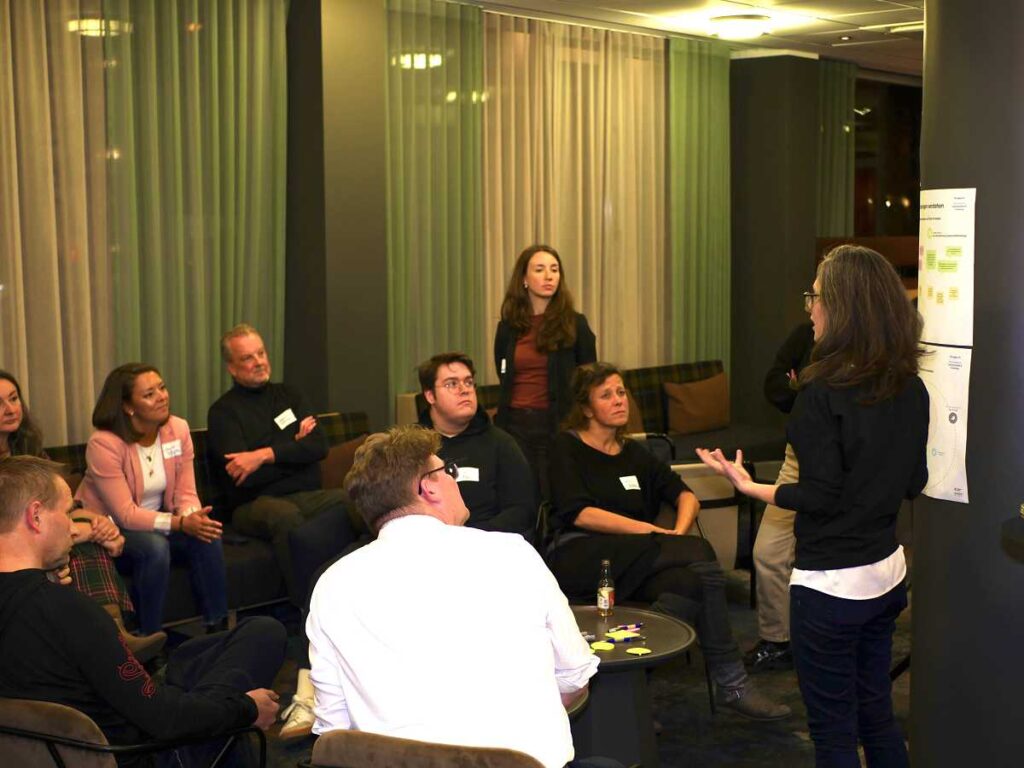
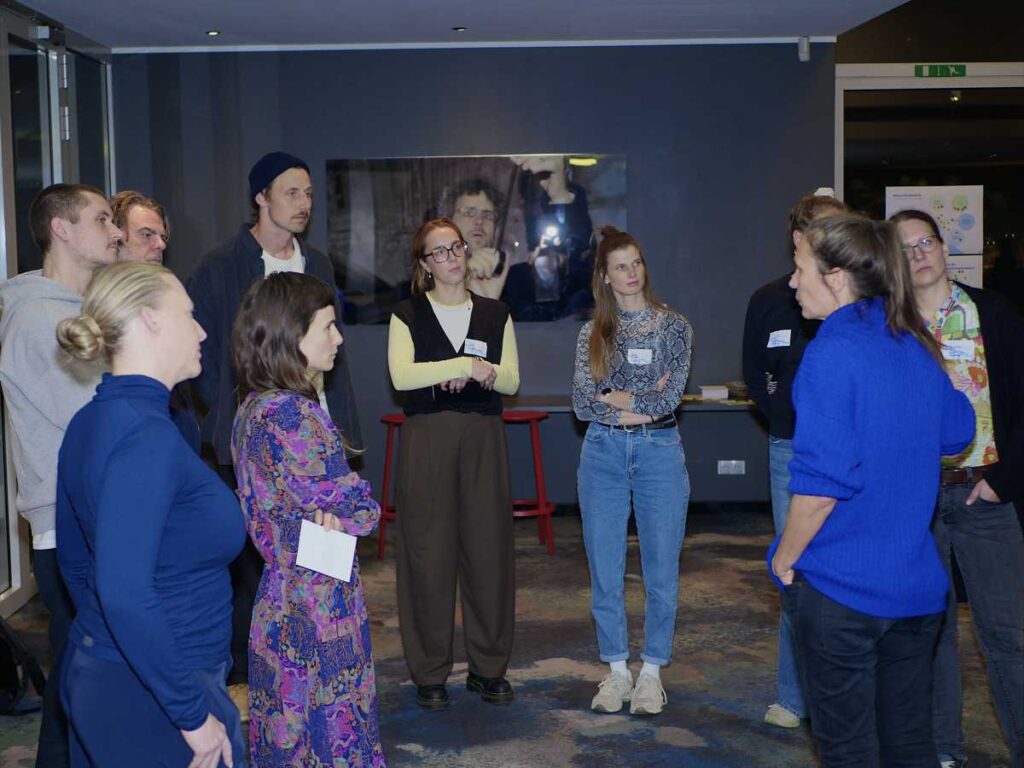
Under the title “Rethinking Events: Circular Economy in Action,” around 48 participants came together not just to discuss, but to build concrete connections: industry challenges met providers of circular solutions across reusable packaging, food waste, sustainable mobility, upcycling, and consulting.
Together, we explored what circular material flows for events can look like when the value of materials and products is preserved at the highest level for as long as possible.
Three practical insights set the stage:
Esra Aoukal, Sustainability Manager at Anschutz Entertainment Group (AEG) Germany, reported on pilot projects at Uber Arena and how their reusable system achieves an extraordinary 98% return rate.
Mihaela Djuranovic, Cluster Head of Sustainability at Estrel Berlin, demonstrated how efficient waste management is structured and clearly communicated to clients.
Zhu Xiao, Sustainability Coach at Hotel Berlin, Berlin, spoke about the return on investment of concrete circular economy measures to reduce packaging waste in the hotel.
Our 5 Key Takeaways
- Collaboration: Circular events require closer cooperation between organizers, venues, suppliers, and specialized service providers.
- Planning & Design Phase: Circular solutions should be factored in right from the event conception and procurement stages, rather than only during execution or dismantling.
- Infrastructure & Systems: Isolated solutions are not enough. Shared systems, standardization, and better coordination are needed.
- Incentives & Regulation: Voluntary commitment alone is often insufficient. Procurement criteria, financial incentives, and regulatory frameworks can effectively shape decisions.
- Scaling Pilots: The challenge does not always lie in developing new ideas, but in making successful pilot projects visible, repeatable, and practical for different event formats.
What’s Next? For 2027, we are planning to establish our own training format for the industry. Anyone interested is welcome to reach out to Arianna Nicoletti: arianna@circular.berlin
We extend our warm thanks to our main partner visitBerlin, our hotel partner Hotel Berlin, Berlin, and all the speakers for making this event a success.