A year shaped by collaboration, experimentation and progress
As 2025 comes to an end, we look back on a year shaped by collaboration, experimentation and steady progress toward a circular city. Circular Berlin refined its strategic direction, advanced key projects across Europe, explored new impact areas and deepened partnerships that strengthen Berlin’s transition towards a regenerative and resource efficient future. This year was one of learning and transition as we continued to align our work with our impact areas and the organisation’s long-term vision.
Strategic partnerships and funding
In 2025, Circular Berlin worked on six funded projects across Europe and Berlin. This included four EU projects – ARCA, CircularPSP, BuildSkills Academy and SOLSTICE – as well as two large cross-sector initiatives: Fit for Circular Economy and Tech and Spaces for Circular Economy, which concluded in 2025. Together, these collaborations connected us with more than sixty partners across Europe and gave us a strong basis for collective innovation in textiles, construction, digital public services and urban systems.
Tech and Spaces for Circular Economy, supported by the Berlin Masterplan Industriestadt 2022–2026, played a central role in Circular Berlin’s transition phase. Together with Creative Climate Cities and WISTA Management GmbH, we explored how emerging technologies and spatial planning can support circular business districts. The project wrapped up this year and its insights will continue to inform our work with local stakeholders.
We strengthened partnerships with Berlin’s institutions, including the Senate Department for Economy, Energy and Public Enterprises and teams working on the Masterplan Industriestadt Berlin. Our collaboration with educational institutions grew further, from BHT Berlin and Kunsthochschule Weißensee to Fachhochschule Potsdam and Berlin’s vocational schools such as Emil-Fischer-Schule and Max-Bill-Schule. We also connected with national networks such as the Circular Economy Network Deutschland, led by Bertelsmann Stiftung, and collaborated with regional hubs including Circular Black Forest to exchange insights and coordinate on topics like the Circular Economy Act.
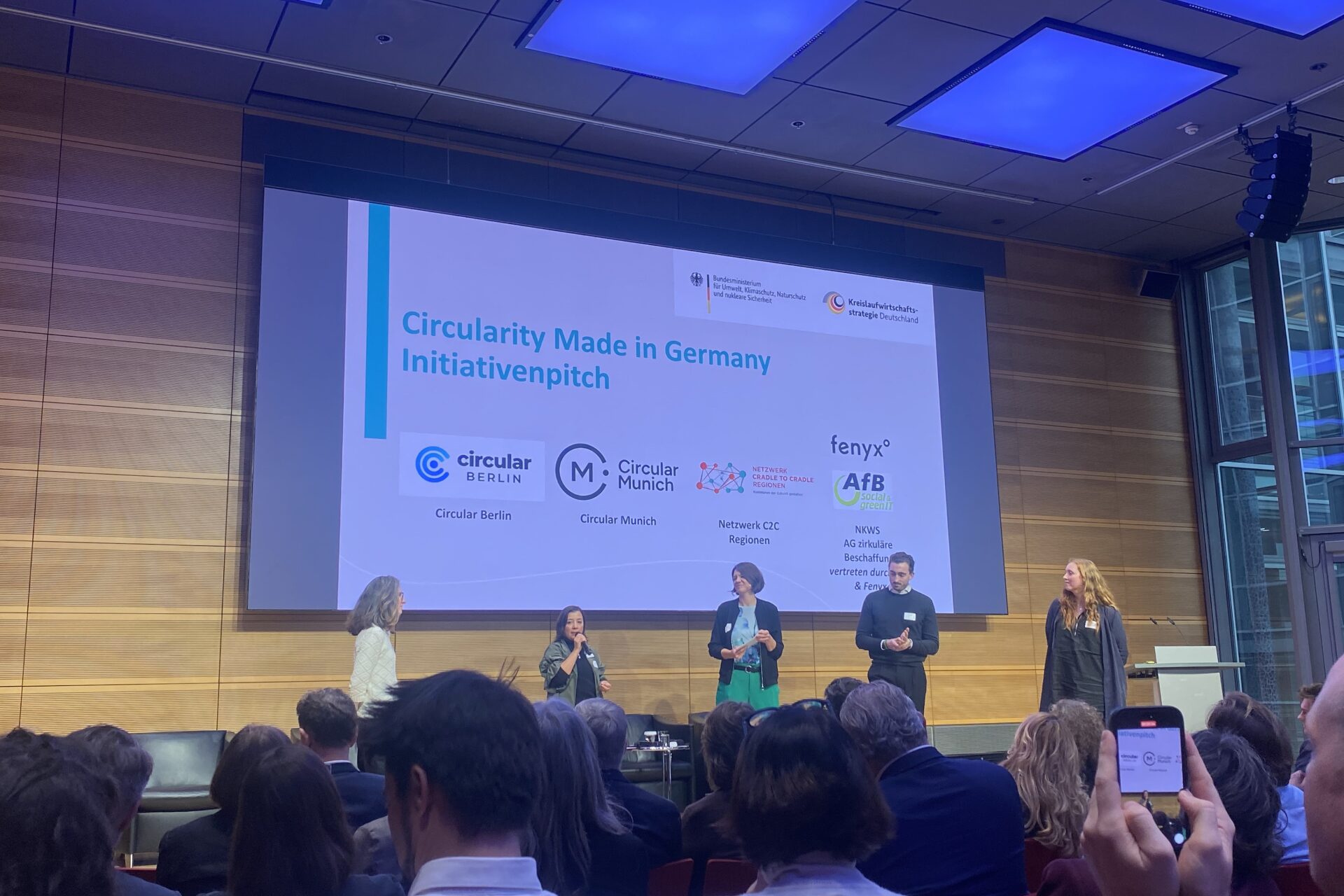
We were also invited to contribute to the BMUKN’s conference on digitalisation and circular economy, bringing the perspective of local practitioners into the national conversation. We also participated in the NKWS Jahreskonferenz, where discussions focused on municipal pathways towards circular transitions and the role of local implementation.
Global forums and networks
Circular Berlin was active across global and European forums this year. We hosted side-events at the World Circular Economy Forum 2025 and contributed to EU Green Week, highlighting Berlin’s role in advancing circular innovation. In May, Berlin was profiled in the OECD’s Circular Cities and Regions Initiative study on circular governance, offering international perspective on local approaches. And we also participated in Circular Fashion Week Lille, where we contributed to a panel discussion on circular textile systems and design. These international exchanges deepened our understanding of sectoral transitions and helped connect Berlin’s work with global developments.
Organisational growth and political advocacy
Circular Berlin grew to twelve team members and freelancers in 2025, strengthening our capacity across projects, research and community engagement. This year also marked the beginning of political advocacy as a new strategic impact area. Early in the year, we published a position paper on Germany’s forthcoming textile Extended Producer Responsibility framework. In November, we co authored a position paper on the EU Circular Economy Act together with Circular Black Forest and Steinbeis Consulting. Both publications gave a clear voice to local circular economy perspectives at a moment when European and national policy frameworks are rapidly evolving.
Fit for Circular Economy, a project that connects education, innovation and sectoral transformation, became a cross cutting anchor in our work. It played a role not only in food and construction but also as part of our organisation-wide learning journey and strategic development.
A growing community driving circular change
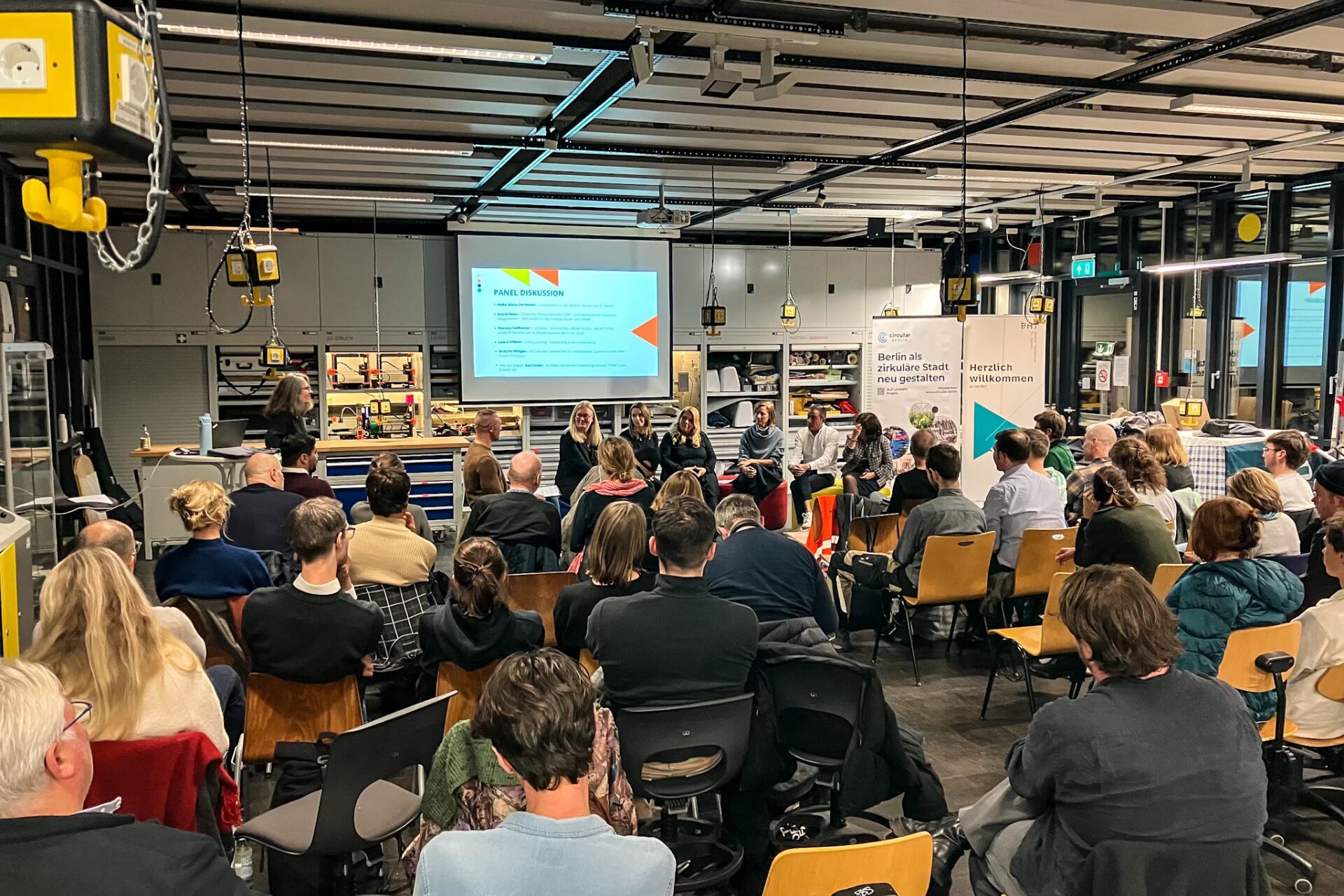
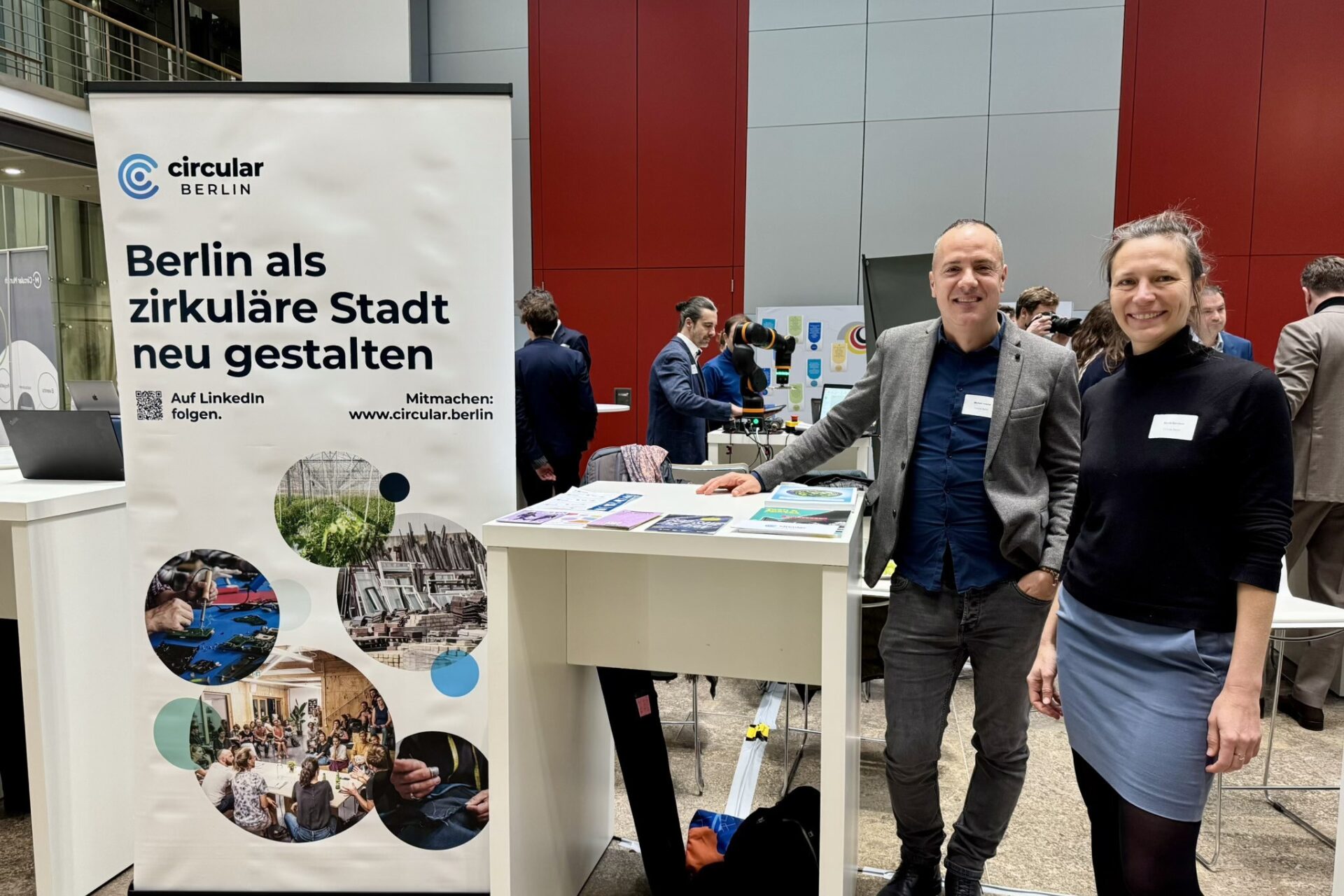
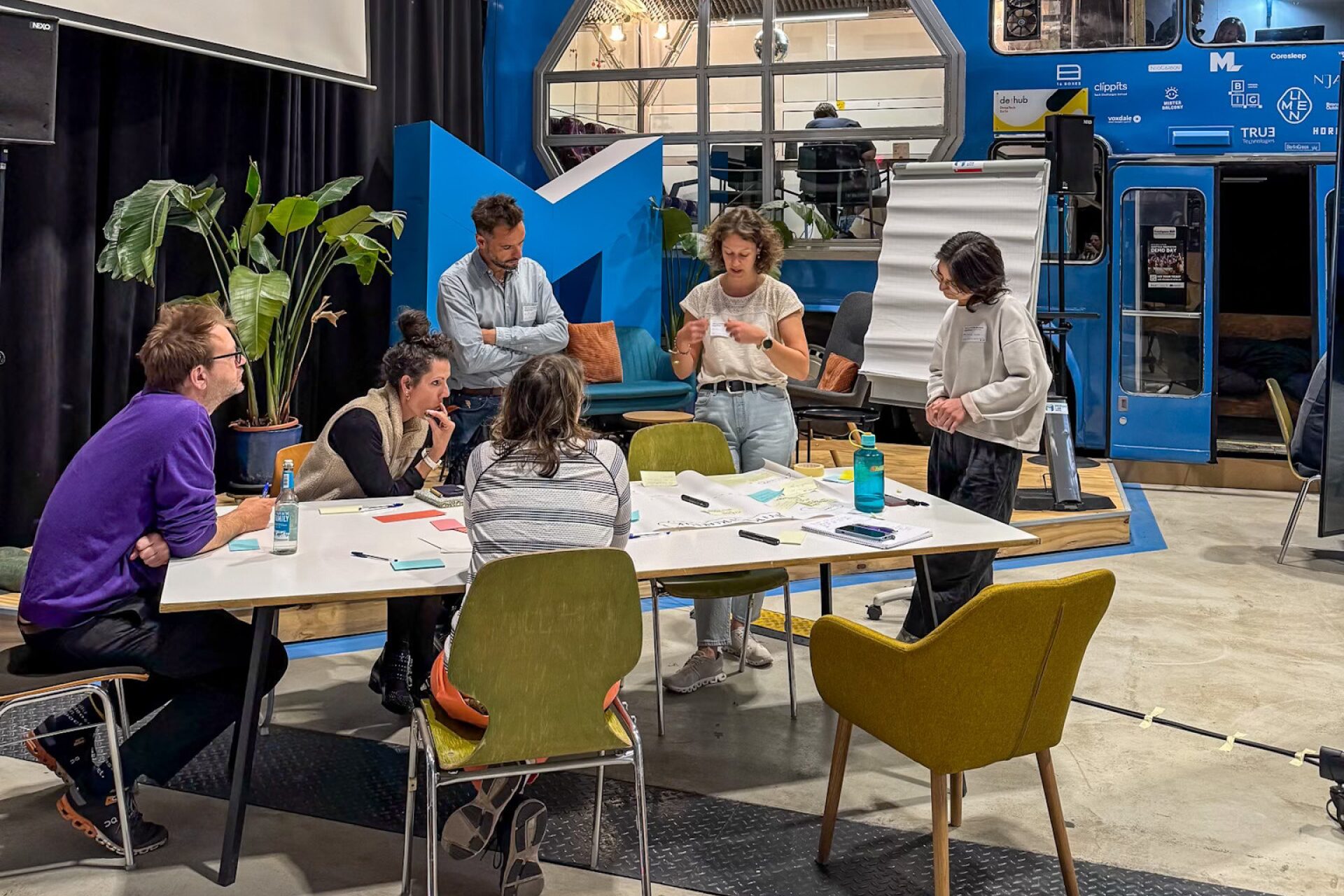
Throughout 2025, Circular Berlin hosted or participated in more than twenty events that brought our community together across sectors and disciplines. These gatherings ranged from international conferences and EU webinars to local workshops, fairs and policy exchange sessions. They created space for learning, collaboration and hands-on engagement with circular topics.
Our community continued to shape the conversations around circular urban transformation. Members contributed to joint policy feedback papers, including the EU Circular Economy Act, and shared knowledge across working groups and project activities. These collaborations showed how much expertise and motivation exists within our network and how collective action can accelerate circular solutions for Berlin.
Strengthening circular impact across key sectors
Textiles
The textile sector remains one of the most resource intensive industries, with a circularity rate of only 0.3 percent. In 2025, Circular Berlin contributed to several initiatives that strengthen urban textile ecosystems.
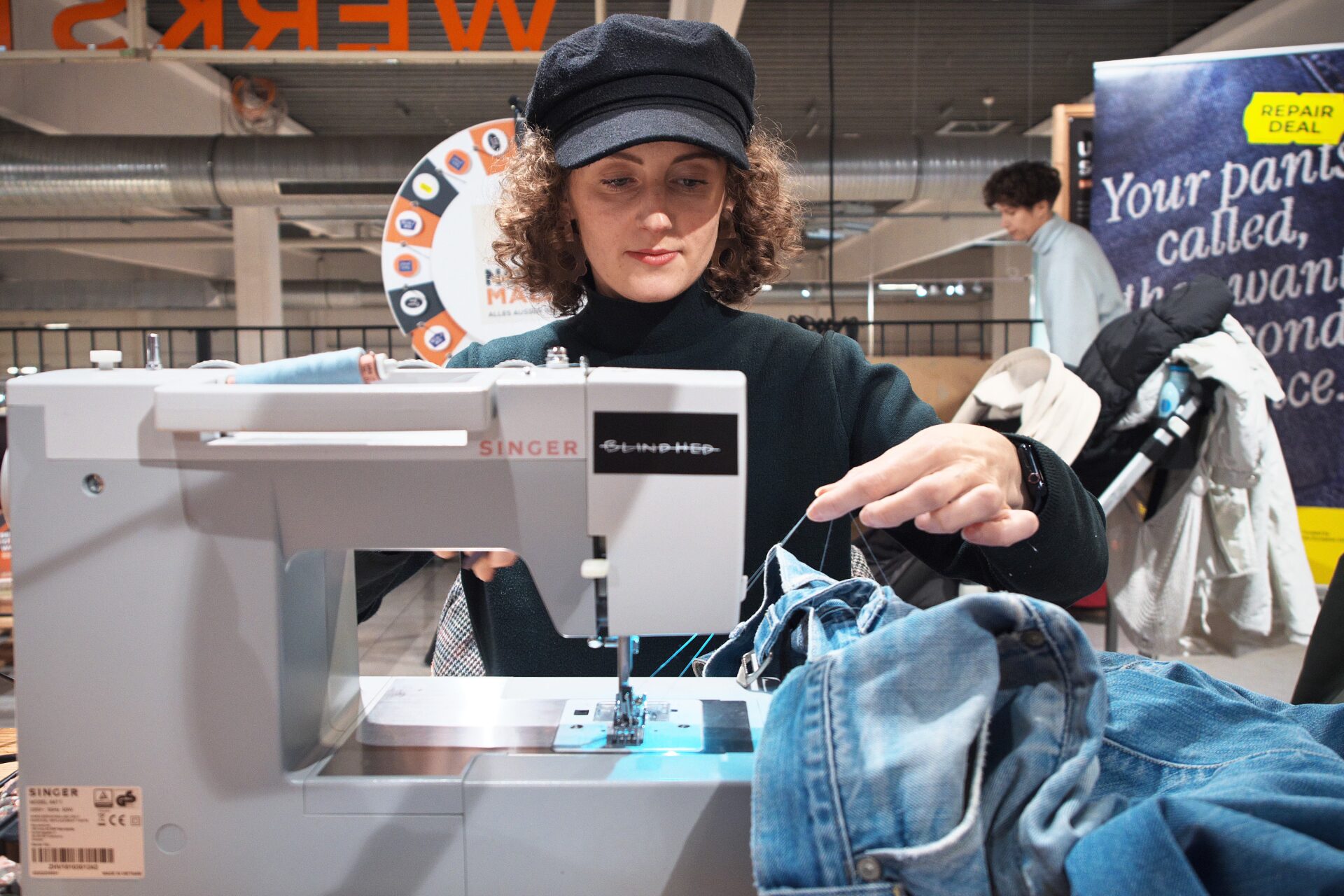
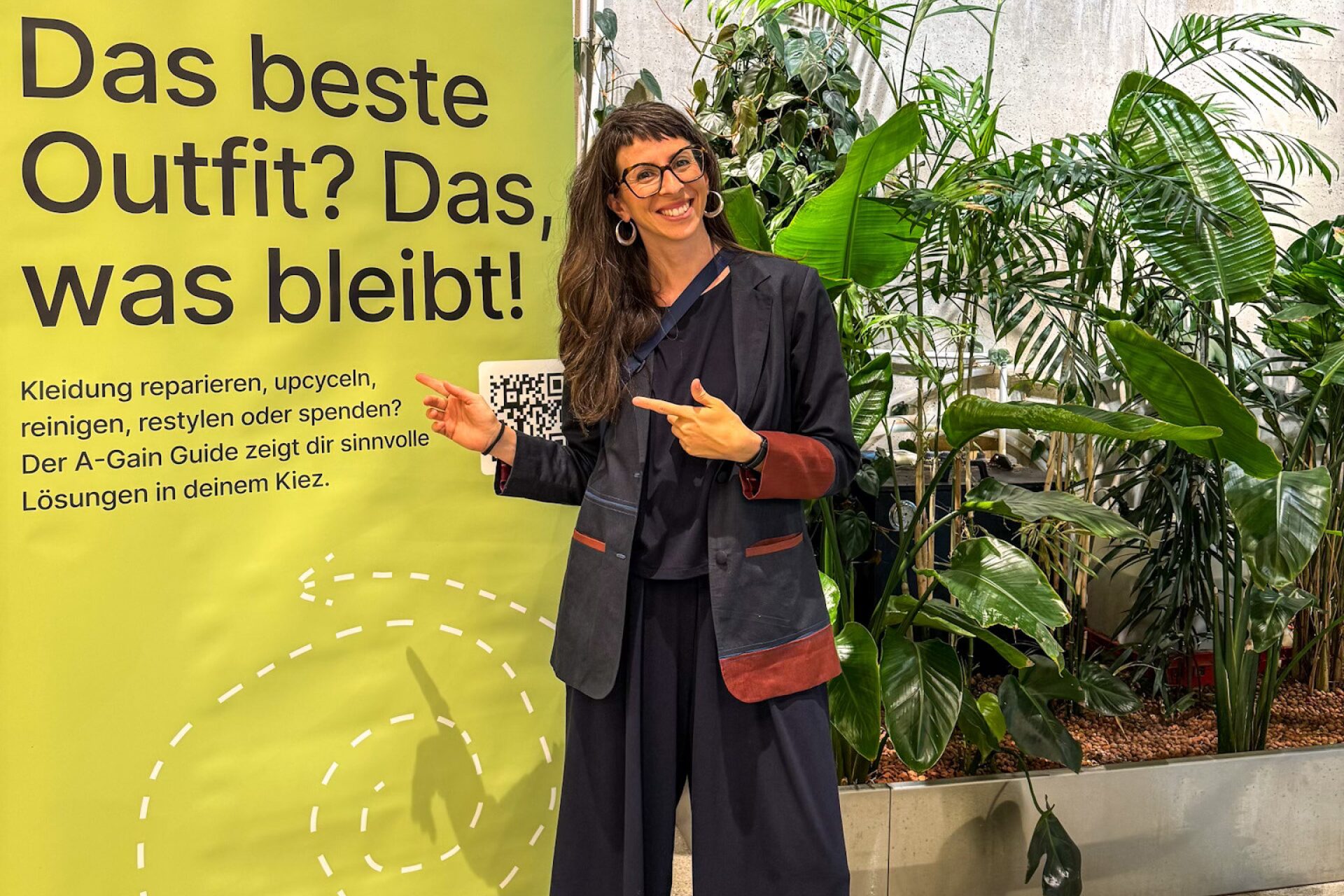
The first replication of the A-Gain Guide took place in Hamburg in cooperation with 105/Viertel and BUKEA. Alongside the guide itself, we developed a replication guideline that supports other cities and regions in adapting the approach. In September, Berlin launched its first repair bonus system for textile repairs in cooperation with FixFirst.
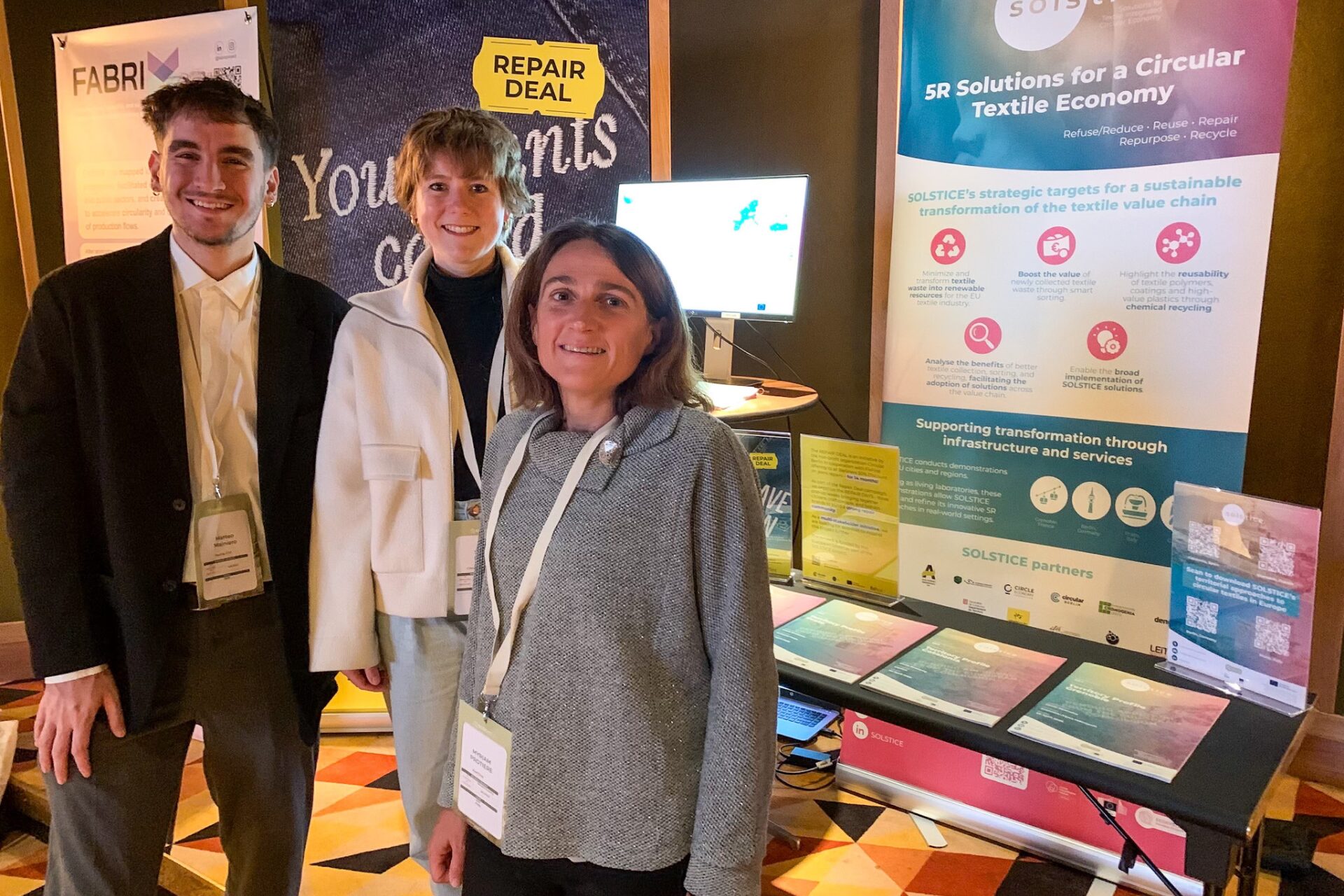
Within the SOLSTICE project, the first Territory Profile of Berlin’s textile landscape was published. Developed by Circle Economy Foundation with data contributions from Circular Berlin, it provides a detailed view of the city’s textile system and identifies challenges and opportunities for circular solutions. Looking ahead, Berlin will host the SOLSTICE General Assembly Meeting in May 2026, including a public event. The consortium also plans to release a policy paper on circular textiles.
Electronics
Electronic devices are a major challenge for urban circularity, yet repair offers a direct and practical way to reduce waste and build local value. This year, our work focused on repair accessibility, new repair friendly design technologies and the role of cities in enabling repair ecosystems.
Workshops and dialogues explored innovations such as reversible adhesives and laser-based techniques that allow products to be repaired or recycled more easily. Partners in Berlin-Brandenburg contributed insights from optics, photonics and materials research. Detailed reflections from this process are available in our electronics workshop blog post.
Food
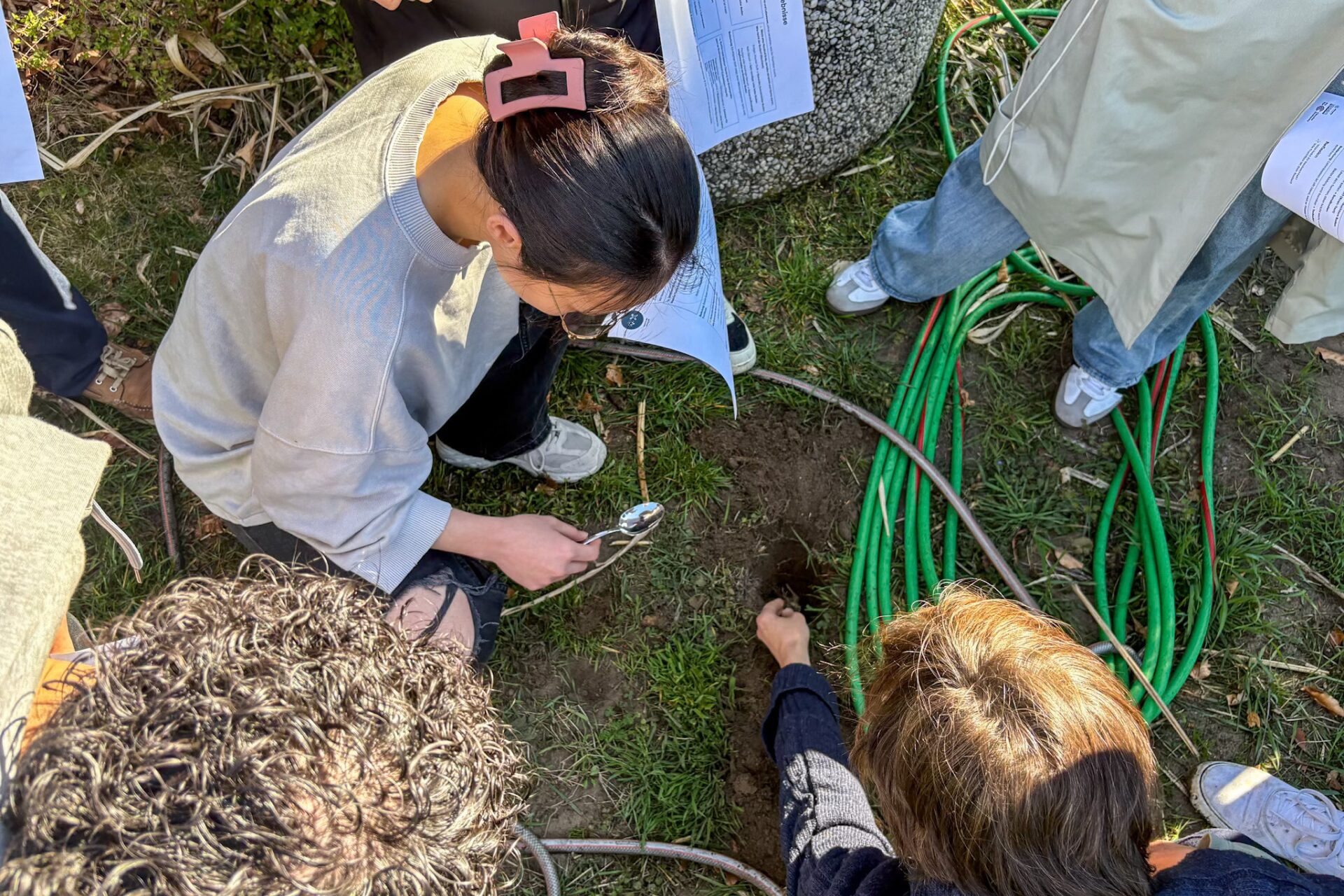
Food systems connect soil, climate and community. Circular approaches support soil regeneration, reduce waste and strengthen local value chains. In 2025, Circular Berlin advanced this work through the Fit for Circular Economy programme.
Together with the Emil-Fischer-Schule and funded by the Berlin Senate, we launched a four-module course for vocational students in gastronomy and food professions. The programme blends theoretical foundations with practical examples from local pioneers. We also participated in Internationale Grüne Woche and continued building partnerships across the food and hospitality sector.
Construction
Construction continues to be one of Berlin’s most impactful sectors for circularity, accounting for more than half of the city’s waste. In 2025, we strengthened our work in this area through education and sector collaboration.
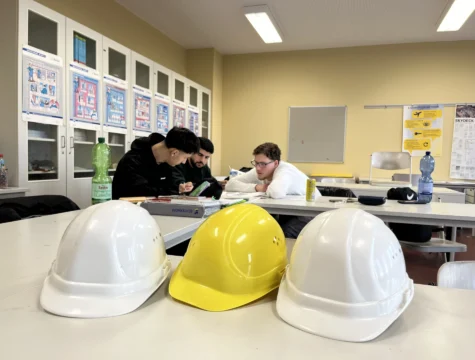
As part of Fit for Circular Economy, Circular Berlin launched a pilot phase with the Max-Bill-Schule in reinforced concrete construction. We developed new modules on circular materials, construction practices, renovation and reuse. This work was recognised within the Masterplan Industriestadt Berlin as a model for integrating circular economy into vocational education.
Within the EU wide BuildSkills Academy, we contributed to the release of the BuildEnriched Skills Methodology and the online self assessment tool for construction VET providers. Developed within the BuildSkills consortium, these resources help align construction education across Europe and support the integration of circular skills such as modular construction, BIM based resource planning and circular design. An event with BHT University brought students, architects and engineers together to explore circular construction skills and introduced the BHT Circular Builder tool supported by Circular Berlin. Looking ahead, we will host a two day masterclass in Berlin in 2026 with forty international students.
Cross-sector innovation
CircularPSP entered its third and final innovation phase in 2025. Following the €5.64 million tender launched in late 2024, the project selected suppliers who now develop and pilot their circular economy platform solutions. Circular Berlin acted as a local champion and knowledge partner, supporting capacity building for policymakers and public staff. Two Berlin districts are engaged in the pilot phase. The project concludes in 2026 and will provide two circular digital solutions that municipalities can use free of charge.
Tech and Spaces for Circular Economy concluded this year at the intersection of technology, policy and local innovation. Together with Creative Climate Cities and WISTA Management GmbH, we hosted six workshops, four webinars and reached over 250 participants from more than sixteen countries. A highlight was the final conference on 16 October at Berlin’s Ludwig Erhard Haus, titled Circular Networks: How Business Networks Drive Circularity and Innovation. Here we presented the Tech and Spaces Guidebook, featuring case studies and technology-based circular use cases from Adlershof’s science park.
Looking ahead to 2026
In 2026, we will continue to deepen our work across textiles, electronics, food and construction. CircularPSP will move into its final year and deliver solutions ready for municipal use. Fit for Circular Economy will expand its vocational school collaborations beyond gastronomy and construction. We also plan to relaunch our website to better showcase our projects, impact areas and community.
Thank you!
We extend a warm thank you to our team, volunteers, freelancers, members and partners for shaping 2025 with expertise, energy and collective commitment. Together, we move closer to a circular city.
Circular Berlin wishes you a safe and joyful holiday season and a positive circular start to 2026!